Baking Powder Biscuits
Biscuits make one think of farmhouse kitchens, enormous farm breakfasts and hot soups and stews, fare for the working man. Two centuries ago, biscuits were cooked over the coals on a cast iron pan with legs, similar to the girdle on a tripod. If you can imagine what this pan looked like, you can guess why it was generally known as a "spider." Perhaps your grandmother had a pan she referred to as a spider. You just have to remember that the original had legs.
It does seem in this country, in most cases, that when a baking powder biscuit is served with something savory, it remains a biscuit, and when it's served with something sweet, it becomes a scone. Whatever you decide to call them, biscuits or scones are unbelievably easy to make, they bake in minutes, and, if we slow our lives down enough to enjoy them with a leisurely breakfast, a savory supper, or with a cup of tea in the afternoon, we will have adopted a tradition worth keeping.
This recipe makes approximately a dozen biscuits, depending on how you shape them.
3 cups (12 3/4 ounces) King Arthur Unbleached All-Purpose Flour*
1 teaspoon salt
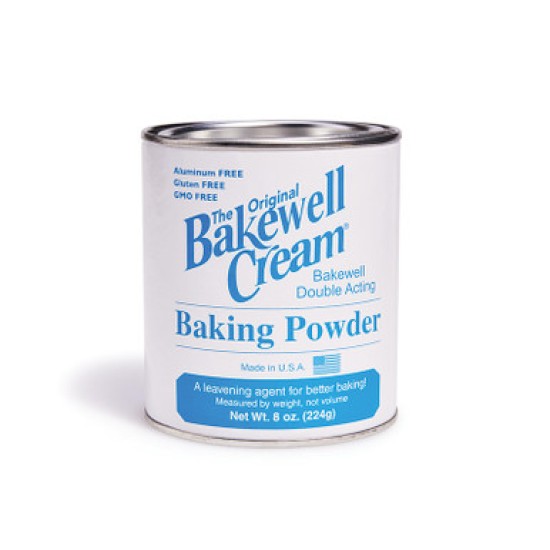
1 tablespoon baking powder
1 to 4 tablespoons sugar (to taste; sweeter biscuits)**
4 to 6 tablespoons (2 to 3 ounces) butter or shortening
1 cup (8 ounces) milk, buttermilk, or water
*Substitute 1 cup King Arthur Traditional Whole Wheat Flour for 1 cup of Unbleached All-Purpose, if you wish; or use our Round Table Pastry Flour, unbleached or whole wheat, ideal for biscuits. Biscuits made with pastry flour won't rise quite as high, but they'll be melt-in-your-mouth tender. Experiment with combinations of our pastry and all-purpose flours to work out your favorite combination of "tender and tall."
**Use more or less sugar, depending on taste; obviously, sweeter biscuits are more suitable for desserts, while those with less sugar lend themselves to additions like chives and cheese. Also, for richer biscuits, use the greater amount of butter or shortening; for plainer, lower-fat biscuits, use the lesser amount.
Preheat your oven to 425°F.
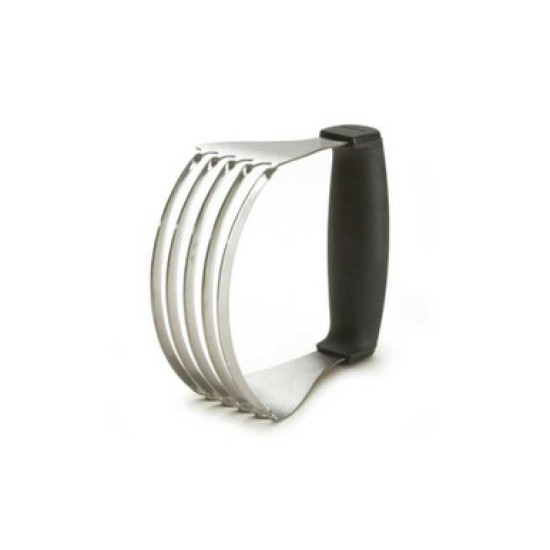
Mix together the dry ingredients. With two knives, a pastry blender or your fingertips, cut or rub the butter or shortening in until the mixture looks like bread crumbs. Add the liquid all at once, mixing quickly and gently for about 20 seconds until you have a soft dough.
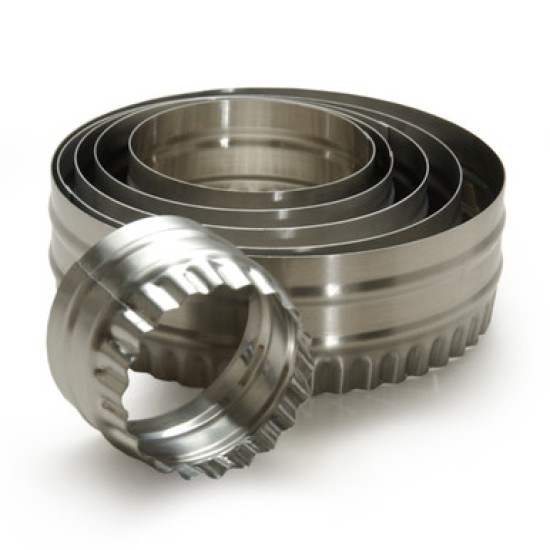
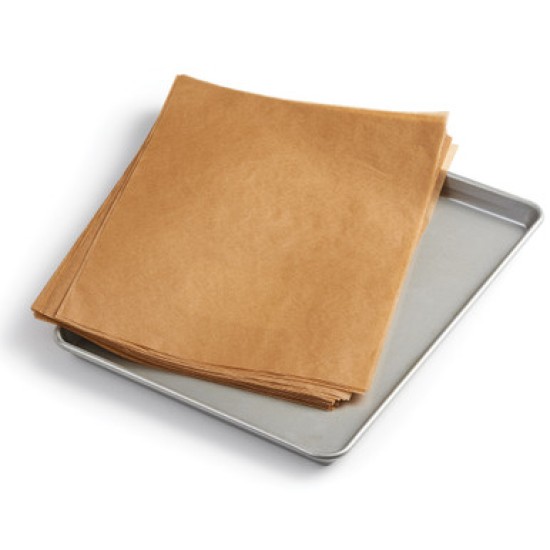
There are several ways to shape these biscuits. You can drop them by the spoonful onto a lightly floured baking sheet, or for tidier shapes, fill the cups of a greased muffin tin about two-thirds full. For cut biscuits, pat the dough into a rectangle about 3/4-inch in thickness. Fold it into thirds like a letter and roll gently with a floured rolling pin until the dough is 3/4-inch in thickness again. Cut into circles with a biscuit cutter for traditional, round biscuits. Or, to avoid leftover dough scraps, cut the dough into squares or diamonds with a bench or bowl scraper.
Bake for 15 to 20 minutes, until they're lightly browned. Yield: about twelve 2 1/2-inch biscuits.
This recipe reprinted from The Baking Sheet Newsletter, Vol. III, No. 6, July-August 1992 issue.
Reviews
05/22/2010
Absolutely nummy. I made drop biscuits with a scant 4 tablespoons of sugar and a whole stick of butter (was trying to make a half recipe but forgot to halve the milk so quickly made another half recipe of dry ingredients + butter exactly the same as the first half). Made 8 huge drop biscuits because that's what fit on my sheet pan. They are heaven with split pea soup. I can't wait to have some with raspberries in the morning.
05/01/2010
We love this recipe. The biscuits are super delicious. One day my husband even pulled the recipe out and made up a batch. That is a testament on how easy they are to make. Yum Yum!
03/21/2010
Disappointing!. the dough was so dry it would not come together.
Also kind of bland. Don't believe I would use this receipe again.
I am sorry you were not happy with this recipe. If you used shortening instead of butter, it will have less flavor. Also, you are always able to add more liquid to a scone and biscuit type recipe if the dough does not form a mass. Next time add more liquid (1 T. at a time) until the dough agrees to come together. Treat the dough gently as to not overwork. Elisabeth @ KAF
03/17/2010
I like this recipe. It goes together real easy and comes out pretty good. Its not as flaky or tender as some of the southern biscuits I've had but its kind of versatile. A little bit of sugar for a breakfast biscuit or more sugar for a biscuit you can top with fruit for a dessert.
01/22/2010
I just made these with whole wheat flour as per the recipe. They were just OK, nothing special.
01/16/2010
These are the best whole wheat biscuits I've ever made! Strawberry jam and these biscuits together is quite a treat!
10/14/2009
This is a great, versatile recipe. The first time I did it I used 100% white whole wheat and non-hydrogenated shortening and they were great! I put a square of cheese on top and that really finished them off. This time I used white flour and butter and added some garlic powder and shredded sharp cheddar to make something similar to a restaurant biscuit. this is a keeper!
09/20/2009
Just like mom's! I used the 1/3 whole wheat flour suggestion and these turned out to be the perfect companion for my hearty Italian soup. thanks again, KAF!
04/21/2009
04/05/2009
If tender, flaky biscuits are what you are looking for; this is the recipe. It is easy to put together; highly adaptable and the flavor is just like that of the more laborious biscuit recipes. This is my go-to biscuit recipe. I have used this recipe approximately 18+ times, thus far. I have halved this recipe on several occasions. It has never failed me. I have also used water instead of milk, but when I use milk, I always use fat free milk. I have added cheddar and Parmesan cheese and well as herb combination's. I always increase the flour by 2 tablespoons and fold the dough into layers to achieve the light, layered flakiness. But, the drop biscuit method is wonderful, as well.

Bookmark/share
this recipe