French-Style Country Bread

star rating (43) rate this recipe »
Recipe photo

French-Style Country Bread

star rating (43) rate this recipe »
Published prior to 2008

You could make this bread, and no other, for the rest of your baking career, and never feel cheated. It uses the sponge, or poolish, method: sort of a poor man's or woman's sourdough starter -- no feedings, little pre-planning, lots of flexibility and superb bread. I usually make this dough, sponge starter and all, in the bread machine, but you can do it by hand, processor, or stand mixer. After barbecue season, bake this bread in the conventional oven but atomize it with water to get that crisp crust. If you've always wanted crusty, hole-ridden, French-style bread, this is the ticket.

Sponge Starter (Begin 2 to 16 hours ahead)
1 cup (8 ounces) cool to lukewarm water, preferably spring water (90 to 100°F)
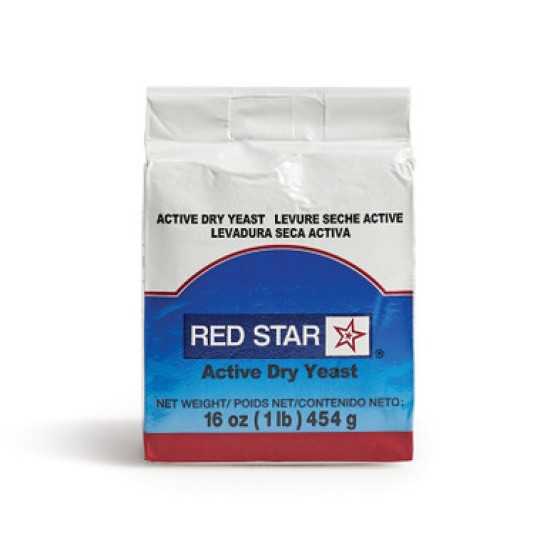
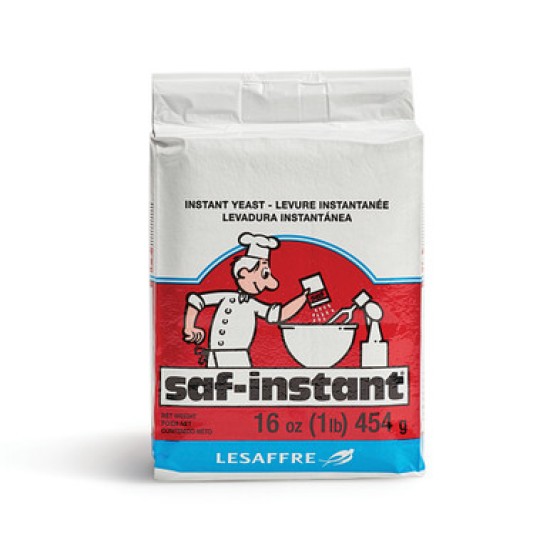
1/2 teaspoon active dry or instant yeast
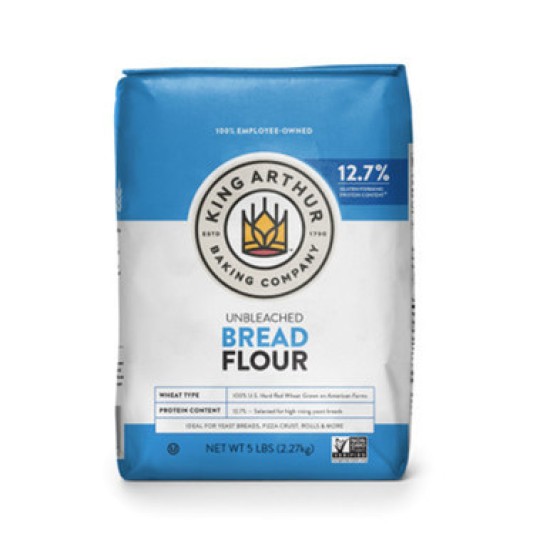
1 1/4 cups (5 1/4 ounces) King Arthur Unbleached Bread Flour
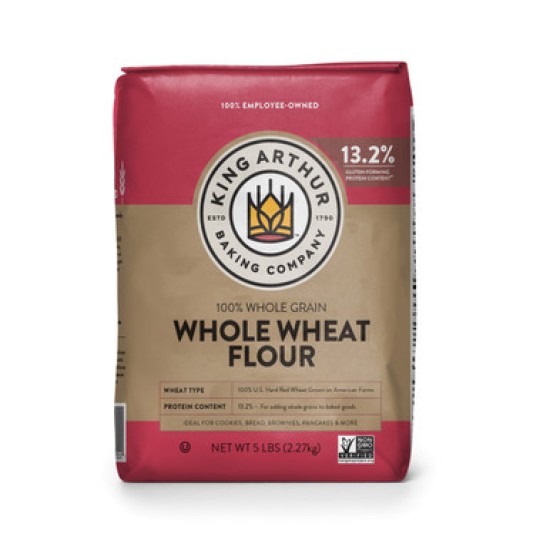
1/4 cup (1 ounce) King Arthur White Whole Wheat or Traditional Whole Wheat Flour

Dough
All of the sponge starter (above)
1 cup (8 ounces) lukewarm water, preferably spring water (l00 to 115°F)
3/4 teaspoon active dry or 1/2 teaspoon instant yeast
1 tablespoon sugar
3 3/4 to 4 cups (1 pound to 1 pound 1 ounce) King Arthur Unbleached Bread Flour
1 to 1 1/2 teaspoons salt

To Make The Sponge: Stir all of the sponge ingredients together to make a thick, pudding-like mixture. Cover with plastic wrap and leave on a counter overnight or for at least 2 to 4 hours. If you're making this in a bread machine, place the sponge ingredients inside, and turn the machine on for just a few seconds to mix the ingredients together. Turn the machine off and close the cover. Let the sponge rest for 4 hours or overnight (anywhere between 2 and 16 hours is fine, the longer the better).

To Make The Dough: Stir down the sponge with a spoon and add the water, yeast, sugar, most of the flour (hold back about 1/2 cup to use if required), and salt. Knead the dough, adding more flour as necessary, to make a soft dough, 10 to 12 minutes.

Note: You may also do this in your bread machine, using the Dough or Manual setting. After the dough has finished kneading, place it in a lightly greased bowl, and continue as directed below.

Big Tip: Mix ingredients together using up to 80% of the flour called for: it will be a loose, messy mass. Let the dough rest for 12 minutes, and you'll see it change in texture, to be come much smoother. Continue, kneading and adding additional flour as required. Overall, the dough handles better once its had time for the flour to absorb the water while resting and relaxing. By using this method, you'll tend to add less flour, and have much bigger holes in your finished bread.

Place the dough in a lightly greased bowl or plastic container, cover with lightly greased plastic wrap and a damp towel, and let it rise until almost doubled (depending on the weather, this could be l to 2 hours). If you're going out, or if you prefer, let the dough rise slowly in the fridge. If your dough has been refrigerated, allow it to come to room temperature; it'll warm up and rise at the same time. After its first rise, deflate the dough gently, but don't knock out all the air; this will create those "holes" so important to French bread. Form the dough into a round ball. Place two cookie sheets atop one another, and place a semolina- or cornmeal-dusted piece of parchment paper on top. Gently place the ball of dough on the cookie sheets, seam-side down. Cover it lightly with a tea towel, and let it rise the second time until it's puffy and about 40% to 50% larger, anywhere from 45 to 90 minutes (depending on the weather, luck, and magic). Slash or cross-hatch the bread with a sharp knife or lame. Dust it with a little flour.

Preheat your grill to High. Place the bread (on the doubled-up cookie sheets) on the grill, and close the cover. Immediately reduce the heat to Medium (400°F), and allow the bread to bake for 25 minutes, or until it's well-browned. Reduce the heat to Low, and carefully place the bread directly on the grill. Continue to bake until completely done, about 5 minutes.

For Regular (Oven) Baking: Preheat the oven to 475°F. Slash the bread, spritz water into the oven with a clean plant mister, and place the bread in the oven. Reduce the heat to 425°F and spritz with water every few minutes for the first 15 minutes of baking. Bake the bread for about 25 to 30 minutes, or until it tests done. Yield: 1 large round bread or two medium breads, 10 to 12 servings.

Nutrition information per serving (1 hearty slice, 1/12 of recipe, 97g): 180 cal, .5g fat, 6g protein, 38g complex carbohydrates, 1g sugar, 2g dietary fiber, 534mg sodium, 74mg potassium, 2mg iron, 89mg calcium, 56mg phosphorus.

Reviews

1 2345  All  
  • star rating 01/04/2012
  • NSobotka from KAF Community
  • For a beginning bread maker without a bread machine this was waaaaay to much work, especially when it doesn't come out as expected. In the recipe it states to put the dough "seam side down"...where do you get the seams from? I followed this recipe to a tee and there are no holes at all. Perhaps when I have a few successful loaves of sandwich bread "under my belt" I'll try this again but for the time being I don't suggest this bread for a novice...it's much too difficult to follow.
    I am sorry to hear of your difficulty. We would love to have you call our baker's hotline not only so that we can troubleshoot for you, but also so we can receive more feedback on why you found the recipe difficult to follow. We look forward to hearing form you. 802-649-3717. ~Amy
  • star rating 10/30/2011
  • ChefLindaOfLouisville from KAF Community
  • Nice Crust, nice and chewy! I've been looking for a French bread recipe and this will be it for now on. I made 3 long thinner loaves instead of 1 or 2 round. My customers will love this bread!
  • star rating 10/19/2011
  • Andreasness from KAF Community
  • This turned out to be an absolutely gorgeous boule. I used my own white sourdough starter instead of the dry or instant yeast and had great success. My sponge was a bit runnier than I had hoped, but by hour 15 it was more than ready to use. To counter the extra liquid, I ultimately added about an extra ounce of flour. The tip was spot on, however, about letting the dough rest. After 10-15 minutes I came back and it was much smoother. The stand mixer did the kneading and the dough rose beautifully. I punched it down and inverted it into a floured proofing basket for another hour, then on to the hot baking stone. Here's how it turned out (I got a little heavy handed with the scoring): http://www.flickr.com/photos/huebner/6260653057/in/photostream/
  • star rating 08/07/2011
  • kathyapp from KAF Community
  • I've made this recipe a few times. My family loves the flavor of this bread, and it has a crispy crust and small to medium holes. But it always spreads out and not up. Yesterday's experience: I live at a 4800 ft altitude at a high desert (dry) location. The overnight sponge happily bubbled for about 14 hours. I made the dough and used the tip to let it rest for 12 minutes. All ingredients are measured by weight and I used the spring water at 105 degrees. The dough was then kneaded in the Kitchenaid for about 7 minutes (the recipe doesn't say anything about mixer times). The first rising was perfect. I formed the dough into a round ball and put it into a La Cloche round baker and covered with the domed clay cover for the second rising. The dough spread out and filled the base of the La Cloche but didn't rise high and round in the middle. I sprayed the inside cover of the La Cloche with water, and baked the bread in the oven for 30 minutes, removed the cover for the last 10 minutes to brown the top. It was quite tasty, with small to medium holes. But I'm bothered by the lack of rising up instead of spreading out. If it hadn't been for the framing of the round La Cloche I'm sure it would have spread more. I'd also love to use this recipe as the basis for round french rolls. But I want them to rise up and not out. Advice?
    This sounds like it could be a few things. Please email the bakers or give one of us a call on the Baker's Hotline 1-800-827-6836. We would love to help troubleshoot! ~JDT@KAF
  • star rating 08/07/2011
  • tkhelmer from KAF Community
  • This has become my favorite bread recipe and I've been making it about twice a week for several months now. My whole family loves it, including my 18 month old and 3 1/2 old who chant more bread upon finishing a peice. And my husband, well we won't get into that, except for saying that he and I have to control ourselves not to fight over it. If this were the only bread I could ever eat again, I think I would be ok with it. And, that is a huge statement coming from me, who loves everything bread.
  • star rating 06/17/2011
  • Quentin from
  • When it came out of the oven, the bread looked absolutely amazing. Unfortunately, it tasted completely the opposite. The bread turned out too wet and completely flavorless. It tasted like chewing rubbery yeast. I looked back and I followed this recipe to the T. Any help on where I went wrong?
    Sorry to hear of your difficulty. From your description it sounds like the loaf is too dry. The flour in this recipe is a variable amount, this is to accommodate flours ability to take on or let go of moisture. In humid weather you'll need more flour to achieve the same consistency of dough. Also, we use this method of measurement for flour in all of our recipes: http://www.kingarthurflour.com/recipe/measuring-flour.html If you "dip" the flour directly from the bag, you can end up with 20% additional flour. Hope this helps. If you need additional support, please give us a call on the Bakers Hot Line: 800-827-6836 or shoot us an email: bakers@kingarthurflour.com Frank @ KAF.
  • star rating 06/12/2011
  • MrsParadox from KAF Community
  • I have made this 5 times now and every time is has been great. Today I shaped the dough into 4 "sub" sandwich shapes and it turned out wonderfully.
  • star rating 06/05/2011
  • Dana from Missouri
  • I made this about a month ago and have had it requested again! I have tried and tried to make good bread for years, and I guess I am just not a baker, but this recipe was superb and I would call it fool-proof if you have some break-baking experience under your belt! I did not have whole wheat, so I substituted normal bread flour. The tip about adding only 80% was genius. After that I did seem to need to add more, but each time I added a significant amount, I would knead it in and then let the dough rest for another 10 minutes. The result was delicious, full-flavored and eaten in a few hours. I will be making it again today!
  • star rating 05/27/2011
  • Szilvia from Bronx
  • Today I was so excited to make this recipe, I made the sponge last night and followed the directions to the t. Today we had a very hot and humid day and I had to add an additional cup flour because the dough was really sticky. I wanted to bake the bread on a baking stone but it stuck the the peel :( I put plenty of flour underneath but still no luck. I just transfered to a baking sheet the whole thing and waited to rise. The dough got kind of flat and not high and when I took it out of the oven it was a bit heavy for its size. Anyways I still recommend this recipe because the taste is just SO GOOD!!! Next time I'll wait for a cooler less humid day and I will give it another try. I even smelled the bread after I sliced it ( I always do :)) and it smelled so wonderful just like the bread we love back in my home Hungary!!!!
    I am sorry if the weather wasn't working in your favor. Humidity can be tough to battle. It sounds as though your dough may also not have been kneaded properly and didn't have enough strength to carry it through a rise. Instead of adding so much extra flour next time, try kneading longer and seeing if that helps. Also, you should use semolina on your stone instead of flour to prevent sticking. ~Amy
  • star rating 05/09/2011
  • countrygramma from KAF Community
  • Years ago, I thought if you didn't have a french loaf pan, you couldn't make this bread. Well I guess I wanted it enough because I made it on a cookie sheet. It is great bread as long as you do everything else like your told.. Go ahead, make your bread!!! I started bread making rounds at 16 years old, I'm a great grandma now, and everyone still loves my bread!!! Just a tip, you know.
1 2345  All