Old-Fashioned Oatmeal Bread

star rating (11) rate this recipe »
Recipe photo

Old-Fashioned Oatmeal Bread

star rating (11) rate this recipe »
Published prior to 2008

What's a nicer way to begin the day than with a warm, crunchy slice of oatmeal toast? With all the great new artisan breads out there, some of America's favorite pan breads seem to be getting short shrift. Personally, we'd no more give up our white, oatmeal and whole wheat sandwich loaves than we would our favorite baguettes or focaccia. Each has its place in our world, and there's nothing like good old American pan bread for sandwiches and toast.

We've found that many of the recipes we try for oatmeal bread just don't taste much like oatmeal. Either the flavor is so faint as to be indiscernible, or it's overwhelmed by molasses. That isn't the case here; the nutty taste of oats shines through, with just a hint of molasses to augment the grain's natural sweetness.

Two of our favorite things to do with oatmeal toast are spread it with peanut butter, then layer it with bananas; and make broiled cinnamon toast from it, by spreading toast with butter, sprinkling on cinnamon-sugar, then broiling briefly, just till the sugar topping bubbles. Cut it in strips, and serve it in a basket with other breads; it'll remain fairly crisp, because of the extra toasting it got under the broiler.

1 cup + 6 tablespoons boiling water
1 cup rolled oats
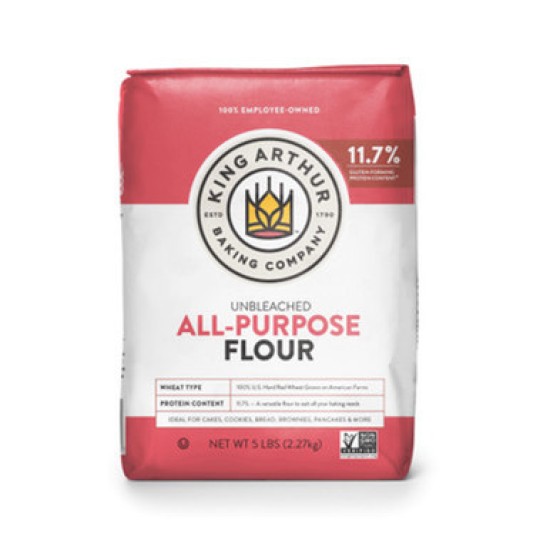
2 3/4 cups King Arthur Unbleached All-Purpose Flour
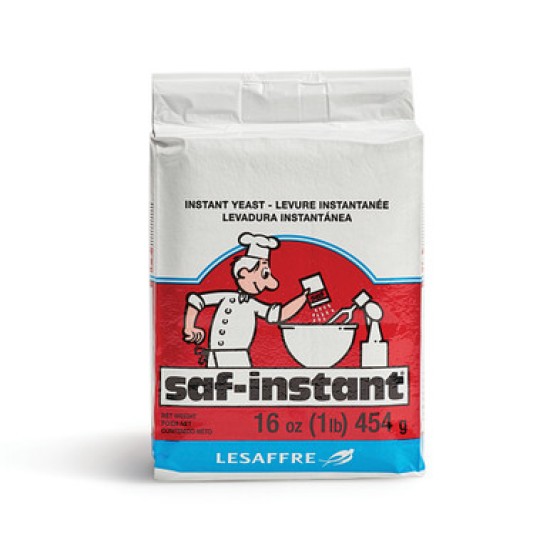
2 teaspoons instant yeast
1 1/2 teaspoons salt
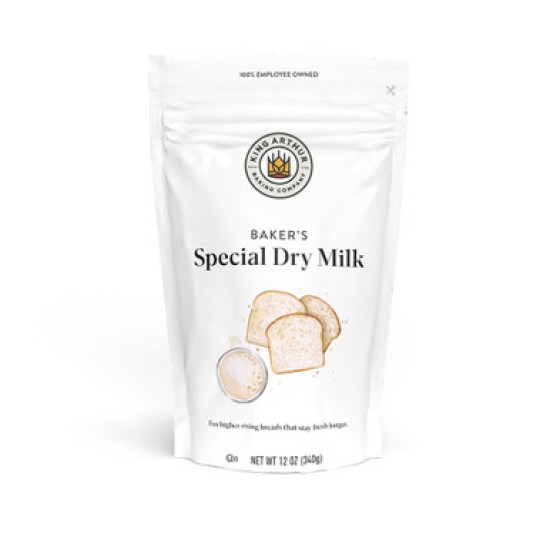
1/4 cup nonfat dry milk
1/4 cup vegetable oil
1/4 cup molasses or dark corn syrup
1 tablespoon granular lecithin*
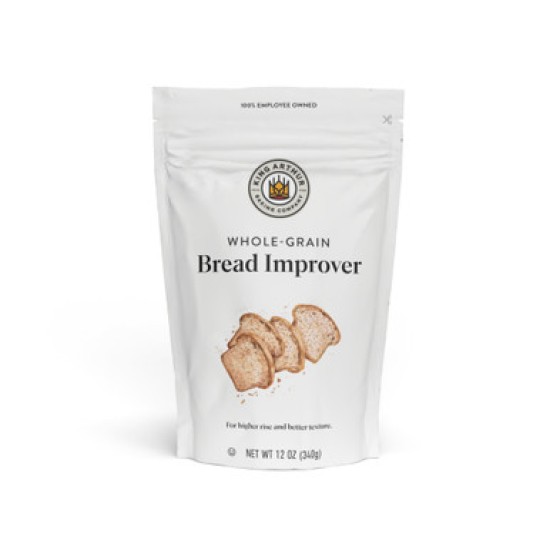
1 tablespoon King Arthur Whole-Grain Bread Improver*

*While neither of these is strictly necessary, the lecithin will give you a moister, longer-lasting loaf; and the bread dough enhancer will give you a higher-rising loaf, with a better texture.

Manual/Mixer Method: In a large mixing bowl, combine the boiling water and oats, mixing to combine. Allow this mixture to cool to lukewarm, stirring occasionally, about 15 minutes.

Add the remaining ingredients, mixing till the dough begins to come away from the sides of the bowl. Knead the dough with an electric mixer for 2 minutes; allow it to rest for 15 minutes, then continue kneading it for an additional 5 to 7 minutes, or until it's smooth. If you're kneading by hand, transfer the dough to a lightly oiled work surface; knead it for 3 minutes; allow it to rest for 15 minutes, then continue kneading till smooth, an additional 8 to 10 minutes. Transfer the dough to a lightly oiled bowl, cover the bowl with plastic wrap, and set it aside to rise for 1 to 1 1/2 hours; it'll be puffy, if not doubled in bulk.

Bread Machine Method: Place the boiling water and oats into the pan of your bread machine, and gently mix them together by hand, using a spatula. Allow the mixture to cool till lukewarm, stirring occasionally, about 15 minutes.

Add the remaining ingredients to the pan, program the machine for Manual or Dough, and press Start. About 10 minutes before the end of the final kneading cycle, adjust the consistency of the dough with additional flour or water; it should be smooth, though still a bit sticky. Allow the machine to complete its cycle.

Transfer the dough to a lightly greased work surface, and gently shape it into a loaf. Place the loaf in a lightly greased 8 1/2 x 4 1/2-inch bread pan, cover the pan with lightly greased plastic wrap or a dough-rising cover, and allow the bread to rise for 45 minutes to 1 hour, or until it's crowned 1 to 1 1/2 inches over the rim of the pan.

Bake the bread in a preheated 350°F oven for about 35 minutes, or until the center registers 190°F on an instant-read thermometer. Check the bread about 10 minutes before the end of its baking time; if it appears to be browning too quickly, tent it loosely with aluminum foil. Remove the bread from the oven, transfer it from the pan to a wire rack, and brush the crust with butter (or spray it with Vegalene or butter-flavored pan spray), if you like; this will help keep the crust soft. Yield: 1 loaf.

Reviews

1 2  All  
  • star rating 02/26/2012
  • bostonbean from Moscow, Idaho
  • This had such wonderful, rich flavor. I was given some mash (leftover from beer brewing) by a friend and used that for 1 cup of the flour. Delicious, especially for sandwiches and toast.
  • star rating 02/17/2012
  • mikedeplanche from KAF Community
  • This was good. I substituted the oil with Lethicin powder plus the regular amount you use for the amount of flour in the recipe and I added a pinch of ascorbic acid (crushed vitamin C). It came out great. I froze one loaf when it came time to use and thawed it out overnight. I noticed it crumbled when cutting into slices. I salvaged what I could and had to toss the rest out. I'm not sure why that happened, maybe KAF can shed some light on this.
    I can't imagine why one loaf would have been fine and the other one ended up crumbly, unless the loaf was in the freezer for too long or was refrigerated at all before freezing. ~Amy
  • star rating 12/04/2011
  • origlmarie from KAF Community
  • I prepared the dough in my Zo and baked it in the oven. I'm new to bread making and this is the first recipe I've tried that we've liked. I've made it twice now and it's come out perfect both times. This bread is excellent plain or toasted and is great for sandwiches.
  • star rating 09/24/2011
  • easyquilts from KAF Community
  • Just wanted to add that I used a mix of buckwheat and regular honey, in stead of molasses or syrup. The taste was really nice... I think molasses is sometimes a little ovwewheming... Too strong. The mix of honors was perfect. I also used the lecithin and bread improver.... Got good first and second rise, and the oven spring was good. No complaints. I will be making this bread often.... It just makes me feel good to eat it.
  • star rating 09/22/2011
  • easyquilts from KAF Community
  • This bread has become my very favorite.... It is just so good.....a little chewy, soft and absolutely delicious. I could eat a whole loaf all by myself. It is wonderful as toast, and great for sandwiches.... Next time I bake this bread, which will be either today or Saturday, I will double the recipe.... This is one bread I definitely want to share with others.
  • star rating 07/17/2011
  • mary-beth from KAF Community
  • Excellent! Like a previous reviewer I used honey in place of the molasses. I didn't have either the lecithin of the WG bread improver but can't imgine a moister or higher rising loaf (I baked it in my small pain de mie pan) and used the bread machine method.
    Congratulations.....and thank you for noting your variation for all customer/bakers to consider! Irene @ KAF
  • star rating 02/20/2011
  • chris4273 from KAF Community
  • I have made this recipe twice and it is great. It has a lot of oatmeal in it, so your heart will love it too. Both times this dough rose very well, so keep a close eye on it. It makes a large loaf - too big for one loaf but too small for two loaves. Any suggestions on how to modify the recipe so that i could split it and make two 4 1/2 x 8 1/2 loaves? Many thanks!
    I'm a little confused. This recipe is written for 1-8 1/2" X 4 1/2" pan. Can you give us a call on the hot line to help us understand this question a little better, please? 800-827-6836. Frank @ KAF
  • star rating 03/27/2010
  • Paula from Los Angeles
  • This tasted perfect. My only problem was it sank a little after going in the oven. Everything was perfect up to that. It still tastes amazing.
    Please call our baker's hot line for help with thie problem. JMD @ KAF
  • star rating 03/08/2010
  • Kim from Colchester, VT
  • This bread is wonderful! It's come out moist and delicious every time, and I have notoriously bad luck with yeast bread. Don't let the lack of lecithin & bread improver stop you from making this bread; it's good without them!
  • star rating 01/18/2010
  • from
  • Delicious! I use honey instead of the molasses. I've made it several times and just love it!
1 2  All