Sourdough Pizza Crust

star rating (42) rate this recipe »
dairy free
Recipe photo
Hands-on time:
Baking time:
Total time:
Yield: one 14" round, or large rectangular thick-crust pizza; or two 12" round thin-crust pizzas.
Recipe photo

Sourdough pizza crust? Well, why not? For one thing, this crust can go from quite sour to "can't even tell it's sourdough," depending on how recently you've fed your starter. And even if you want … More »

Sourdough Pizza Crust

star rating (42) rate this recipe »
dairy free
Hands-on time:
Baking time:
Total time:
Yield: one 14" round, or large rectangular thick-crust pizza; or two 12" round thin-crust pizzas.
Published: 01/01/2010

Ingredients

  • 1 cup sourdough starter, unfed (straight from the fridge)
  • 1/2 cup hot tap water
  • 2 1/2 cups King Arthur Unbleached All-Purpose Flour
  • 1 teaspoon salt
  • 1/2 teaspoon instant yeast
  • 4 teaspoons Pizza Dough Flavor, optional but delicious

Directions

see this recipe's blog »

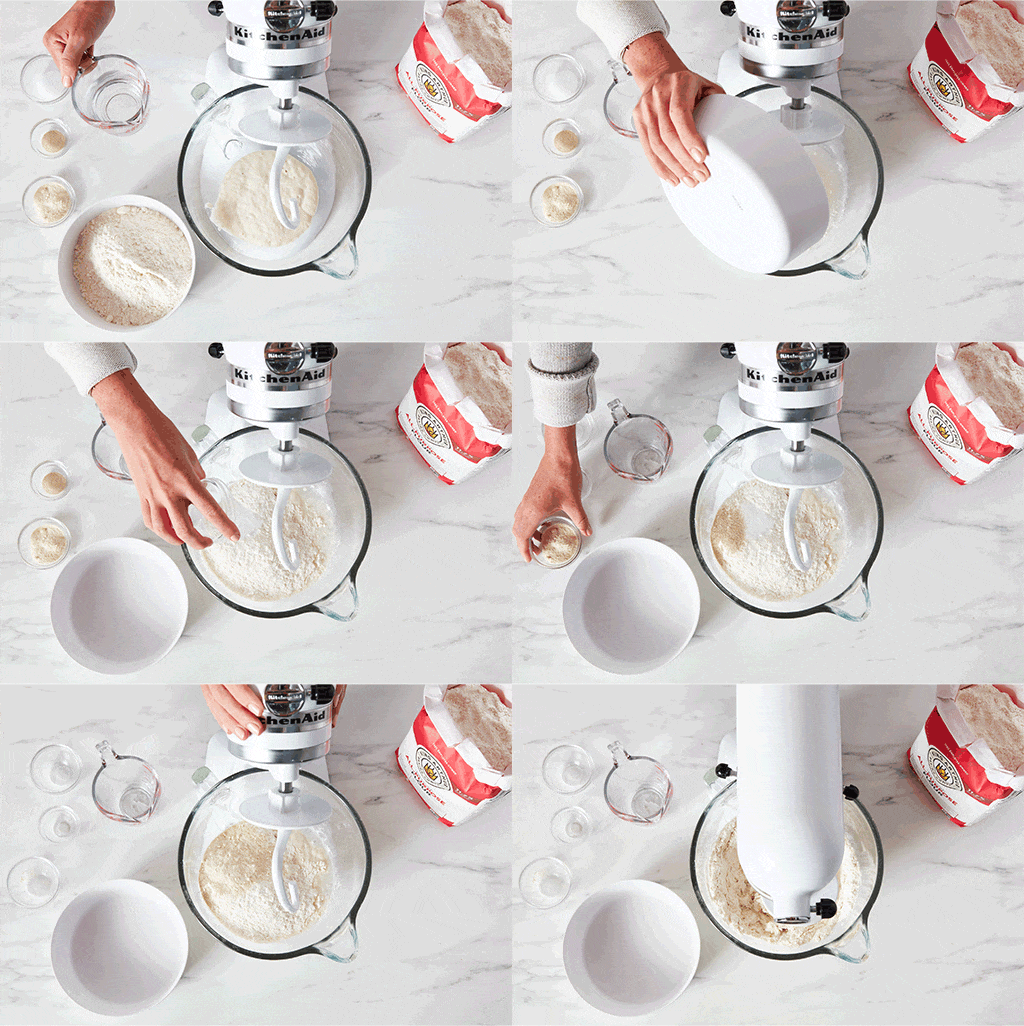
1) Stir any liquid into the sourdough starter, and spoon 1 cup starter into a mixing bowl.

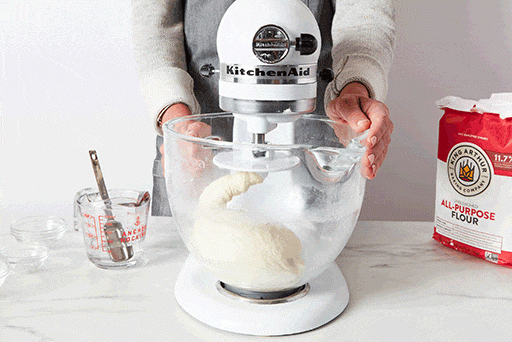
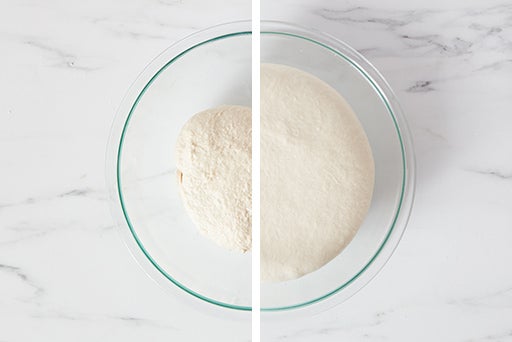
2) Add the hot water, flour, salt, yeast, and Pizza Dough Flavor. Mix to combine, then knead till smooth and slightly sticky, about 7 minutes at medium speed using a stand mixer with dough hook. Place the kneaded dough in a lightly greased container, and allow it to rise till it's just about doubled in bulk. This might take 2 to 4 hours; it might take more. A lot depends on how vigorous your starter is. For a faster rise, place the dough somewhere warm (or increase the yeast). To slow it down, put it somewhere cool.

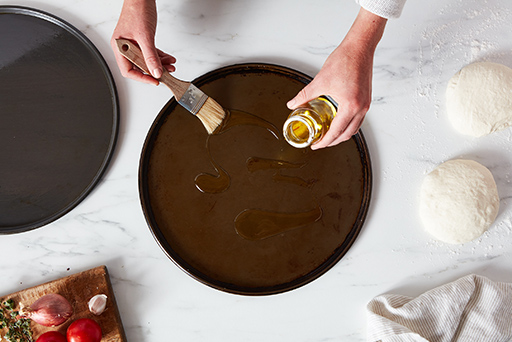
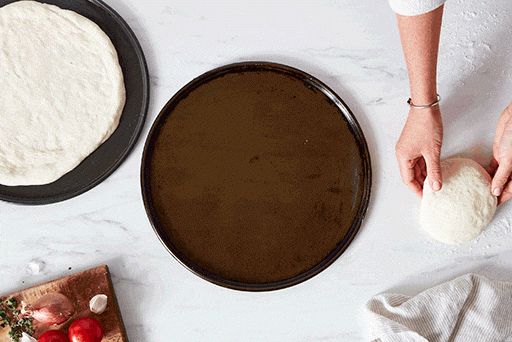
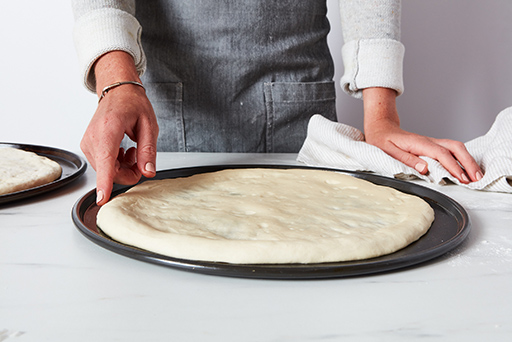
3) For two thinner-crust pizzas, divide the dough in half, shaping each half into a flattened disk. Drizzle two 12" round pizza pans with olive oil, tilting the pans to coat the bottom. Place half the dough in each pan. Cover, and let rest for 15 minutes. Gently press the dough towards the edges of the pans; when it starts to shrink back, cover it, and let it rest again, for about 15 minutes. Finish pressing the dough to the edges of the pans.

4) For a thicker-crust pizza, drizzle olive oil into a jelly roll pan (10" x 15") or half-sheet pan (18" x 13"), or similar sized pan; or a 14" round pizza pan, tilting the pan to coat with the oil. Shape the dough into a flattened disk or oval. Place it in the pan, cover it, and let it rest for 15 minutes. Push the dough towards the edges of the pan; when it starts to fight back, cover it and let it rest for 15 minutes. Finish pushing it to the edges of the pan.

5) Cover the pan, and let the dough rise till it's as thick as you like. For thin-crust pizza made from fairly fresh starter, this may only be an hour or so. For thick-crust, using an old, little-used starter, this may take most of the day. There are no hard-and-fast rules here; it all depends on the vigor of your starter, and how you like your crust. Once you make it a couple of times, you'll figure out what time frame works for you.

6) Towards the end of the rising time, preheat your oven to 450°F.

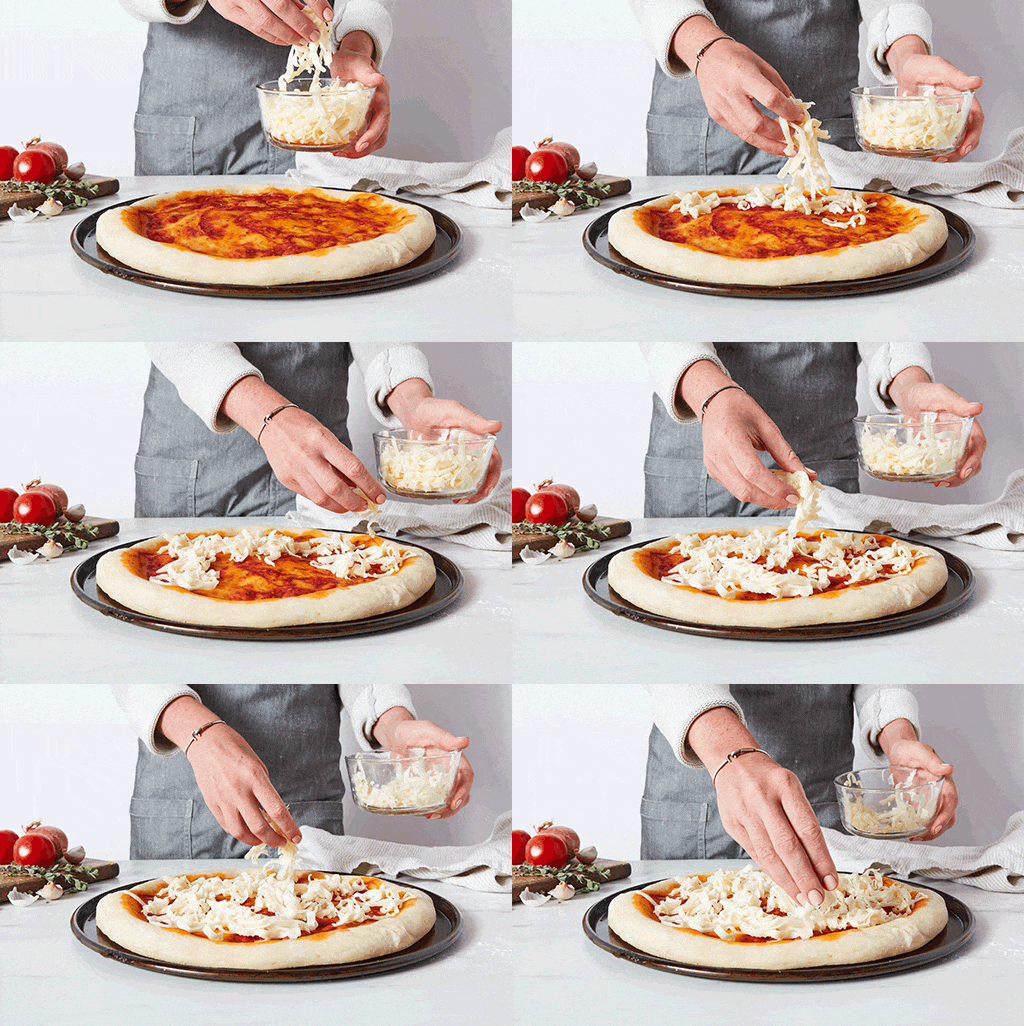
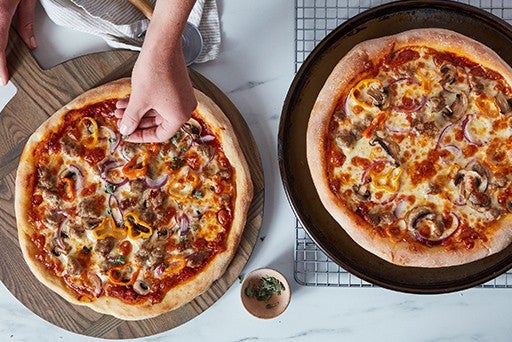
7) For a thicker crust, pre-bake the crust for about 8 minutes before topping. Top, then bake till toppings are hot and cheese is melted and bubbly, about 10 minutes. For thin crusts, bake for 4 to 5 minutes, then top and bake for an additional 8 to 10 minutes, or till toppings are as done as you like.

8) Remove from the oven, and loosen the edges of the pizza with a table knife or heatproof spatula. Carefully lift it onto a cooling rack; you can serve it right from the pan, if desired, but a cooling rack helps keep its bottom crisp. Serve hot.

Yield: one 14" round, or rectangular thick-crust pizza; or two 12" round thin-crust pizzas.

Be aware of some sourdough dynamics here. The less-used your starter, the more liquid on top, the more sour it's likely to be; using a starter that hasn't been fed for weeks will yield a pizza crust that rises slowly, and tastes quite tangy. This type of crust is handy when you want to make dough in the morning, and have pizza ready for dinner. On the other hand, a starter that's fed regularly will yield a less-sour crust, one that will rise much more quickly. This is a great "weekend" crust, as you can shape it at 8 a.m., and have pizza for lunch.

Reviews

1 2345  All  
  • star rating 05/20/2012
  • Lollypaul from KAF Community
  • I made this for the first time tonight with my cup of unfed discard sourdough starter, and made two thin crusts. I spread them on parchment paper, and then slid them onto a pizza stone for baking. Turned out pretty well. I used 1 1/2 cups unbleached white flour, and one cup KA white whole wheat flour. I did not use the pizza dough flavor, though. The crust was the perfect thin-ness, the way we like it. I think next time I would put some herbs in the crust.
  • star rating 05/04/2012
  • anniesmail from KAF Community
  • I so wanted to give this 5 stars. This rose beautifully in the Zo on the dough setting. The problem was that it didn't rise much after I rolled it out onto the parchment paper. Was it because I used a rolling pin to roll it out? I did this because I wanted to use my new pizza stone to cook it on. After more than 5 or 6 hours it hardly rose at all. I wanted more of a foccacia but I ended up with a thin and crispy crust. It was still very good tasting but I prefer a thicker crust.
    I wonder if the rise cycle in the machine was too long for the dough. It may have over-risen and not had any yeast power left for the second rise. You might try reducing the yeast by 1/4 teaspoon next time you make this with the dough cycle. Starters that are highly active and fed frequently tend to quicken the rise. ~Amy
  • star rating 05/03/2012
  • pstreadwell from KAF Community
  • Fantastic! I added a tablespoon of sugar to the dough and mixed in my KA mixer. My starter is active and sour so I was rewarded with a chewy and tangy pizza crust. I split the dough and froze half for later. I let the dough rise in a warm oven which took about an hour. I brushed the dough with olive oil and topped with tomato, sauteed onion, fresh oregano, bacon, and gouda cheese. Baked on my pizza stone at 500 degrees and topped it off with arugula. Delicious!
  • star rating 04/10/2012
  • loriehohlf from KAF Community
  • I made this using my bread machine's dough cycle then pressed it out on my baking sheet and let it rise in the oven with the light on. It was fantastic! Such great flavor and texture of the crust. It takes a little pre-planning, but it's so worth it!
  • star rating 03/23/2012
  • lavonnejune from KAF Community
  • I made this into a thin pizza crust and it was very good! The crust came out very crisp and yet still chewy inside - wasn't hard at all. The sourdough flavor was mild, but the starter I used is fairly new. I received lots of raves and told it was the best thin crust pizza ever! Yep, that's what I'm talkin about! Now I am wondering if the pizza recipe can be made into foccacia? I have made it with just yeast but was wondering if you can use this recipe for a sourdough version?
    It's worth a try. Oil the baking pan, then oil and dimple the top before baking. Frank @ KAF.
  • star rating 03/13/2012
  • Liz in Portland from KAF Community
  • This was so easy. I now know what to do with my excess starter! Great texture. This created a very chewy, flavorful crust. I'm going to try adding a little semolina next time.
  • star rating 03/09/2012
  • prb from KAF Community
  • I made this thick. I let it rise the second time for 2 hours in a 14" pan and it rose to almost an 1" My starter is new. It wasn't sour. I liked it because the crust was thick, light, and airy and the edges and bottom were light and crunchy. I put thin layer of oil in the pan and sprinkled it lightly with corn meal. I baked it at 450 for 10 mins on lower rack and sprayed water on crust and oven then put sauce and cheese and baked another 15 mins on higher rack.
  • star rating 02/09/2012
  • jbsch from KAF Community
  • Easy recipe, great result. Substituted 1 cup durum flour for one of all purpose flour to give it more Italian flavor. Also generously brushed on garlic oil after short bake of crust before adding toppings and cheese. Family loved it!
    Yum! Using Durum or Semolina as part of the flour in your pizza crust or fresh pasta is a great way to add a nice flavor and texture to Italian style recipes. Happy Baking! Irene @ KAF
  • star rating 01/31/2012
  • evthanks from KAF Community
  • Prep: Easy Presentation: Nice golden color Taste: Deliciously crisp & flavorful
1 2345  All  

Related recipes: