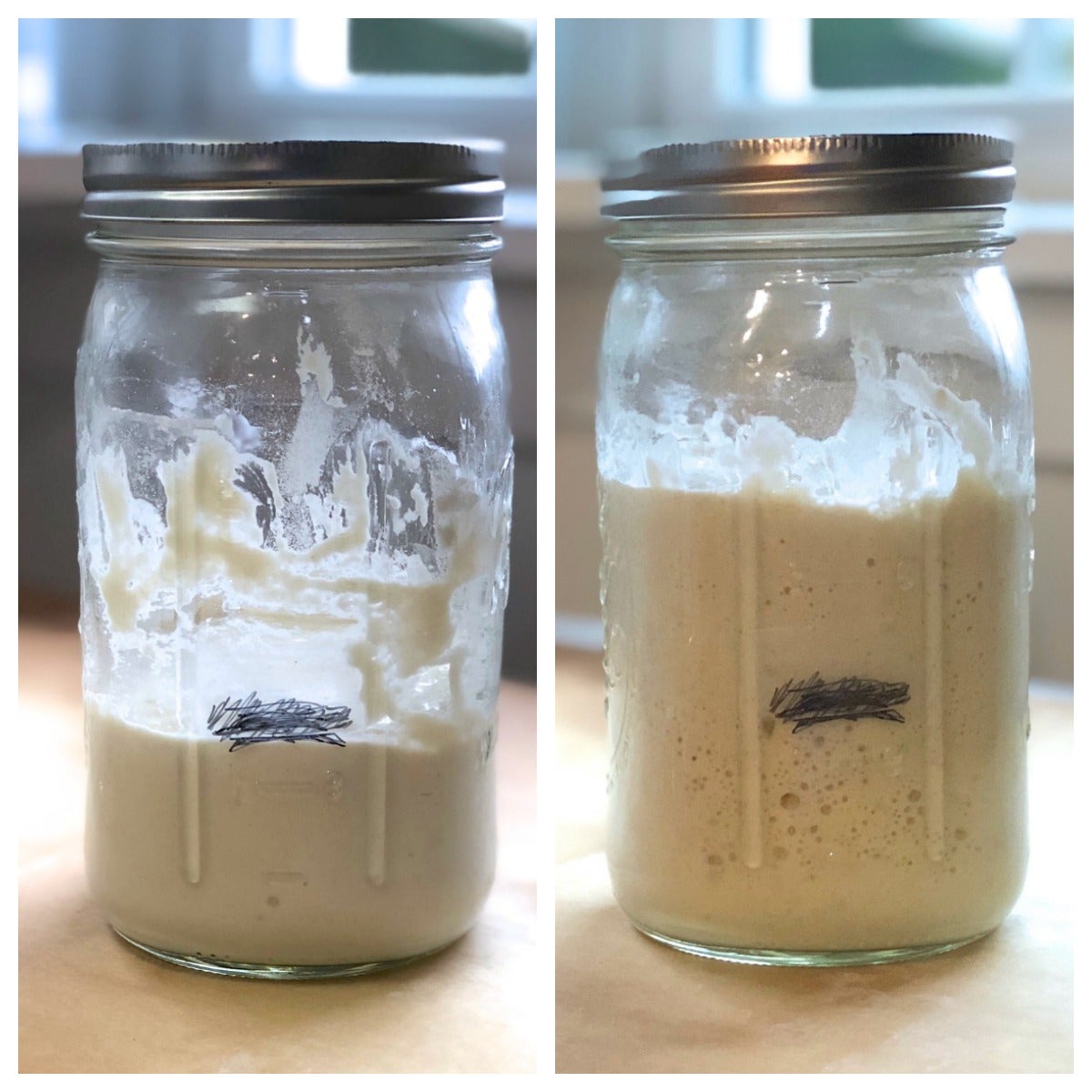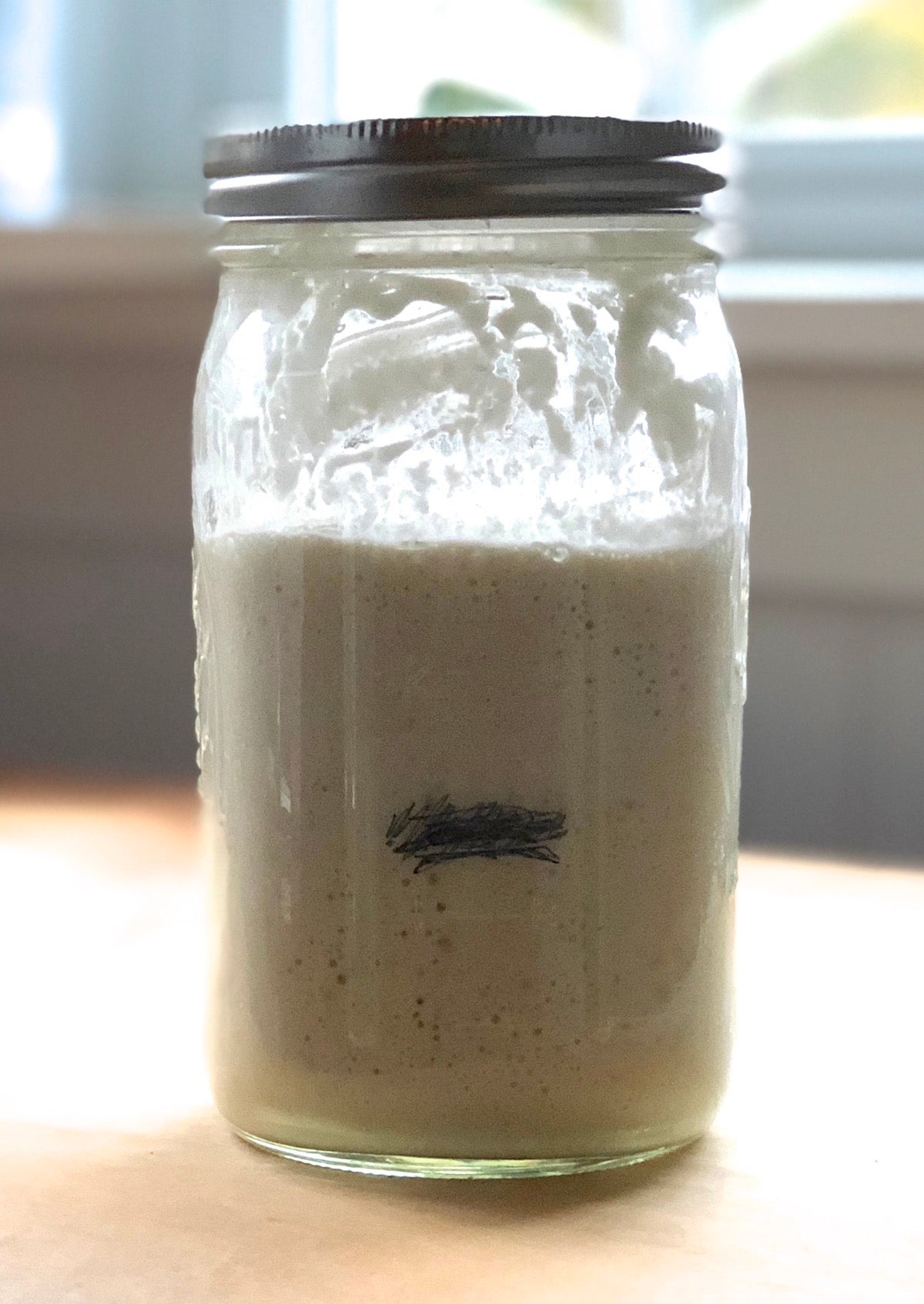

How’s your starter doing?
Fresh sourdough starter is a wonderful resource. Bread, pancakes, waffles, cake… there are so many delicious directions you can take with sourdough.
The key: maintaining your sourdough starter so that it’s healthy, happy, and ready to go when you are.
Once you’ve successfully created your starter, you’ll need to feed it regularly.
If you bake a lot of sourdough treats, you may want to keep it on your counter, at room temperature. While this means feeding it twice a day, it also means your starter will be ready to bake with at the drop of a hat (er, oven mitt).
However, many of us don’t want the commitment of twice-a-day feedings. If you’re a more casual sourdough baker, it’s possible to store your starter in the refrigerator, feeding it just once a week.
Let’s take a look at both methods.
But first, a word of advice. Sourdough baking is as much art as science. This method for maintaining sourdough starter is just one of many you might choose to follow. It doesn’t exactly match the process in our Baker’s Companion cookbook, nor some of our recipes online, nor what your neighbor down the street does. And that’s OK.
If you have a process you’ve successfully followed before, then hey, stick with it. Or try this one and compare. All good.
Maintaining your starter at room temperature
Room temperature is the best environment for the yeast and lactobacilli that inhabit your starter, and you can learn a lot about your starter by observing a twice-a-day feeding regimen with the starter at room temperature.
If you’re willing to maintain your starter at room temperature by feeding it twice a day, here’s how:
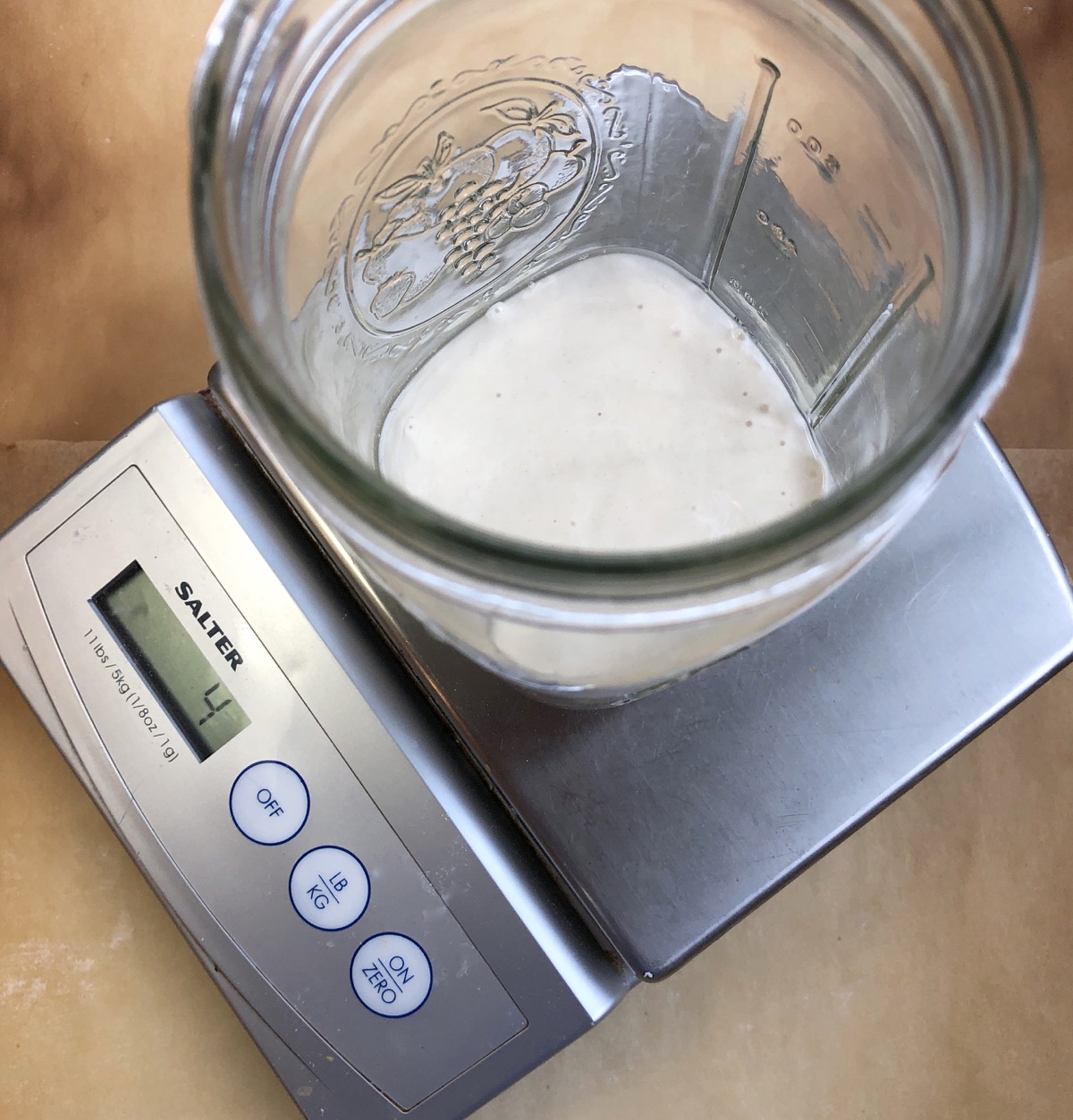
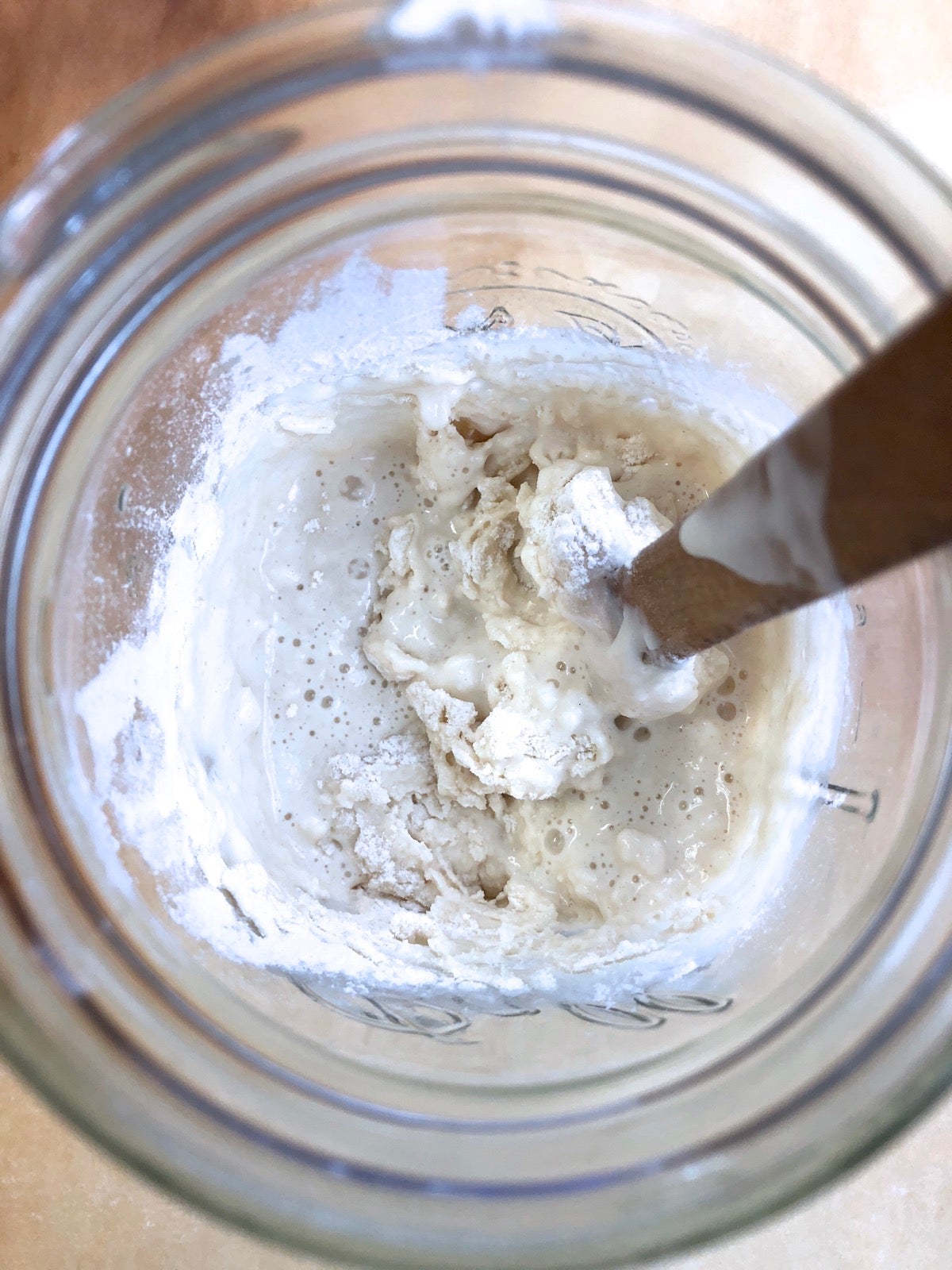
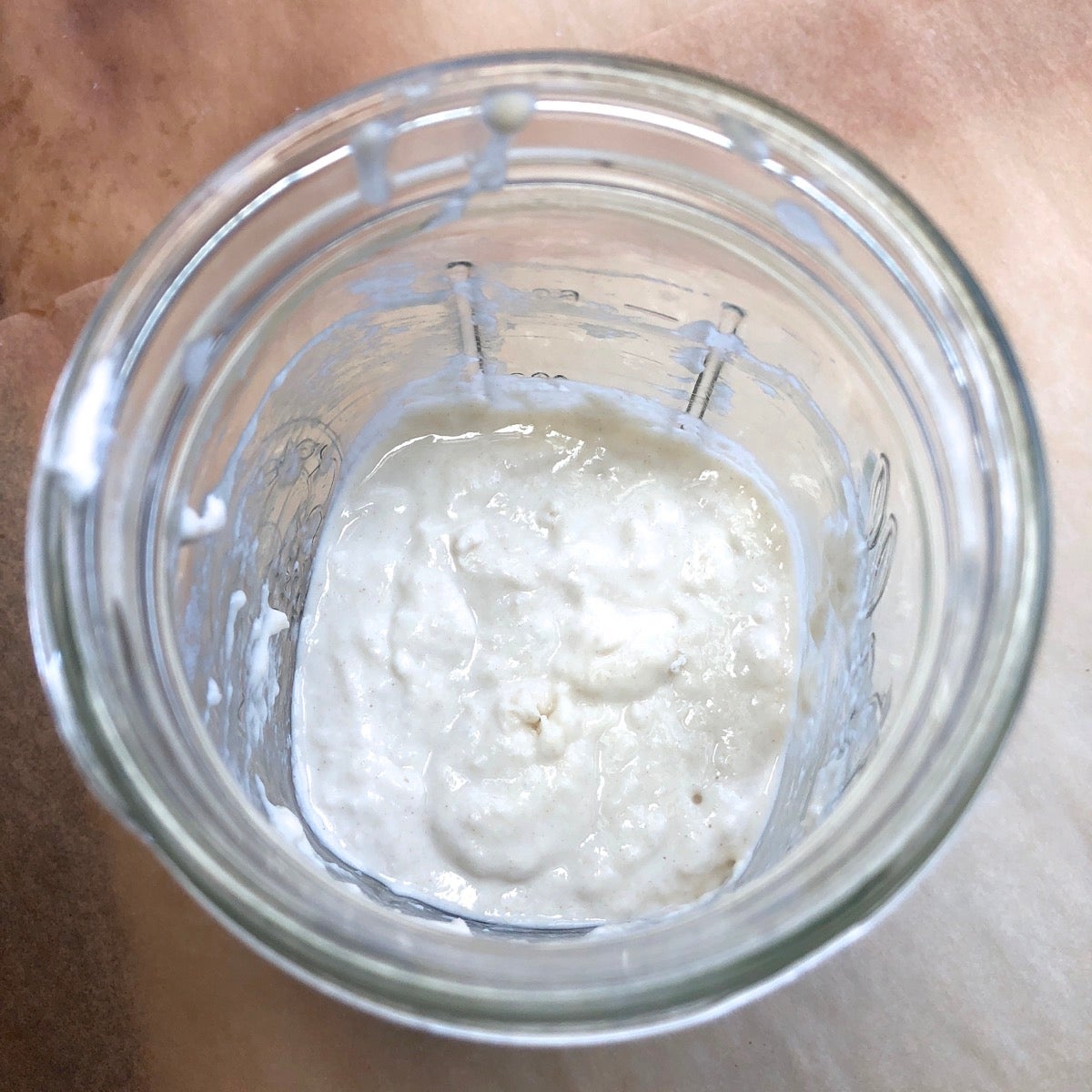
Stir the starter well and discard all but 4 ounces. Add 4 ounces non-chlorinated, room-temperature water (hereafter known simply as “water”) and 4 ounces King Arthur Unbleached All-Purpose Flour (hereafter known simply as “flour”). Mix until smooth, and cover. Repeat every 12 hours.
A note about room temperature: the colder the environment, the more slowly your starter will grow. If the normal temperature in your home is below 68°F, we suggest finding a smaller, warmer spot to develop your starter.
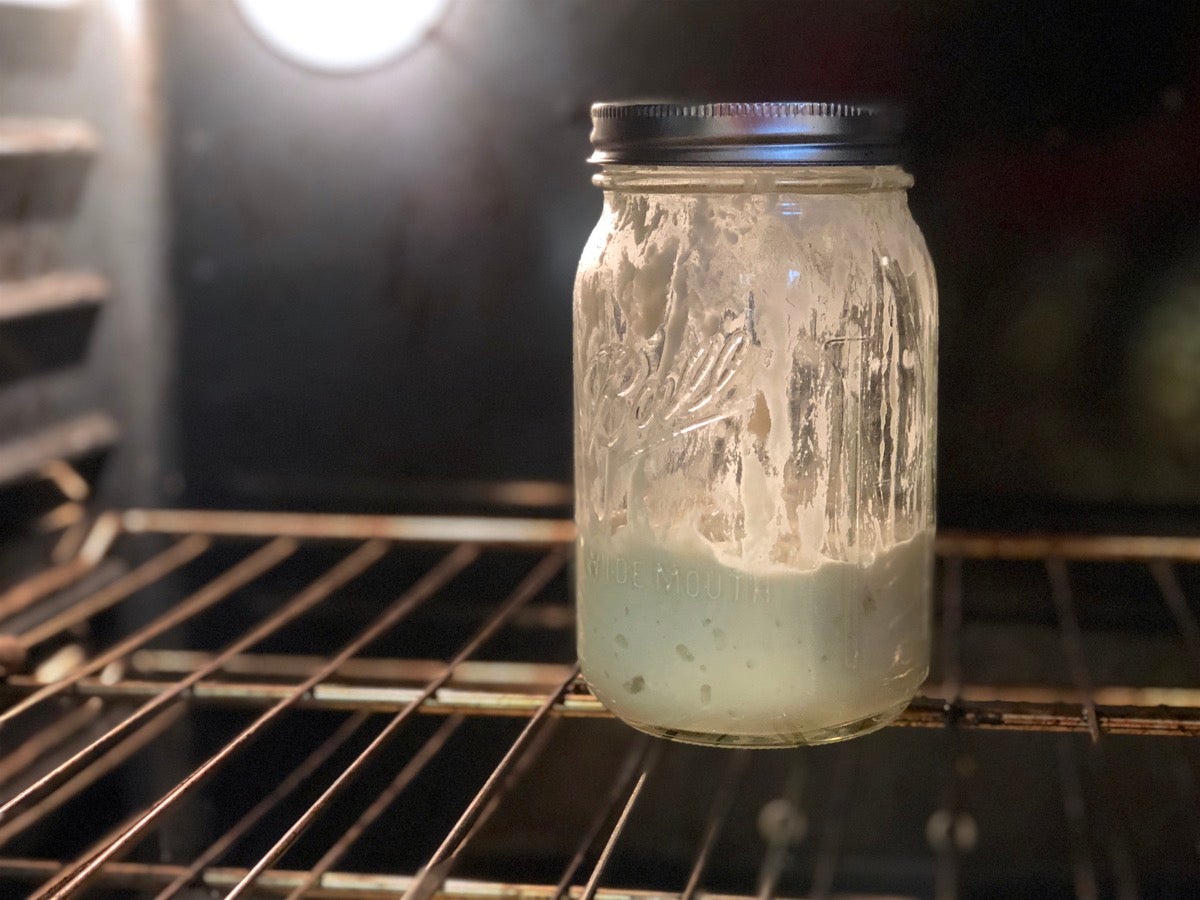
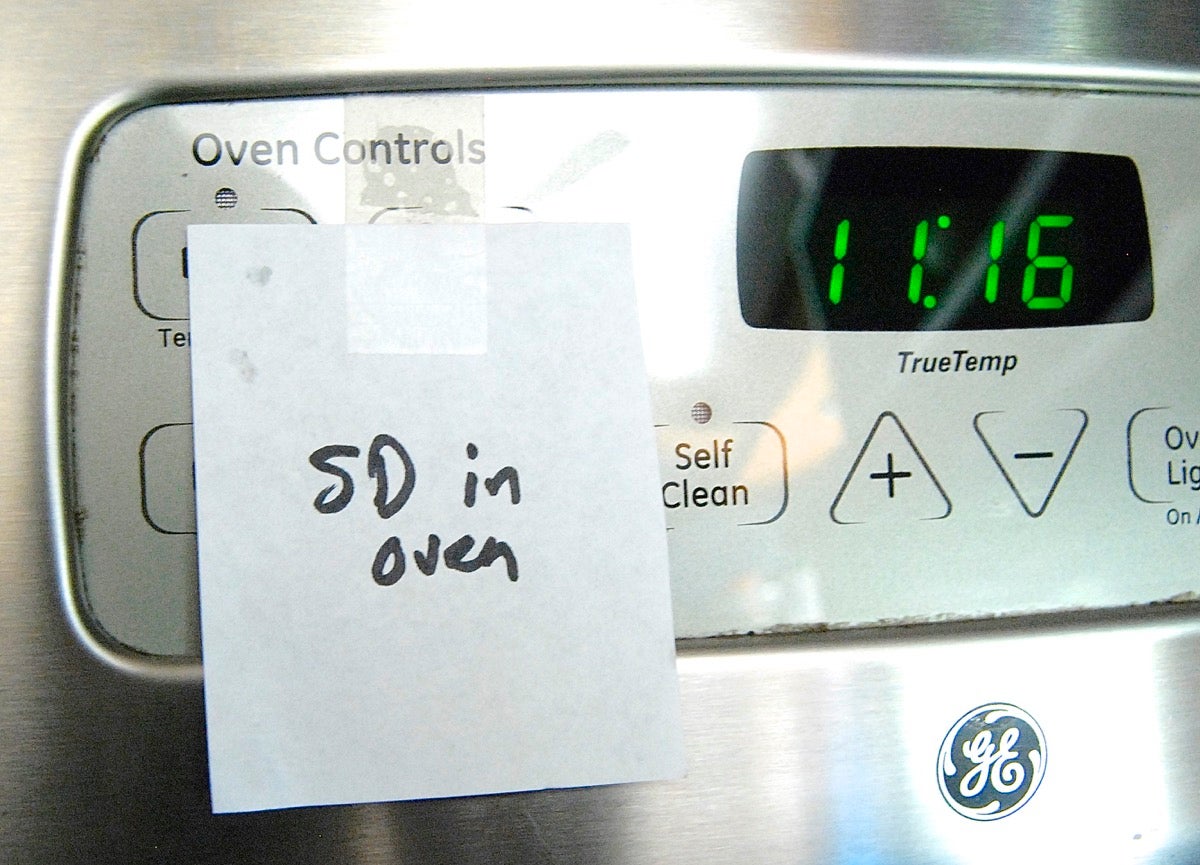
For instance, try setting the starter atop your water heater, refrigerator, or another appliance that might generate ambient heat. Or, set it near a heat source (baseboard heater, etc.).
Another option: set the container of starter on a folded dish towel laid atop a heating pad on its lowest setting.
Maintaining your starter in the refrigerator
For most home bakers, daily feeding is impractical; so you’ll need to store your starter in the refrigerator, and feed it once a week.
Take the starter out of the fridge. There may be a bit of light amber or clear liquid on top. Either drain this off, or stir it in, your choice; it’s alcohol from the fermenting yeast.
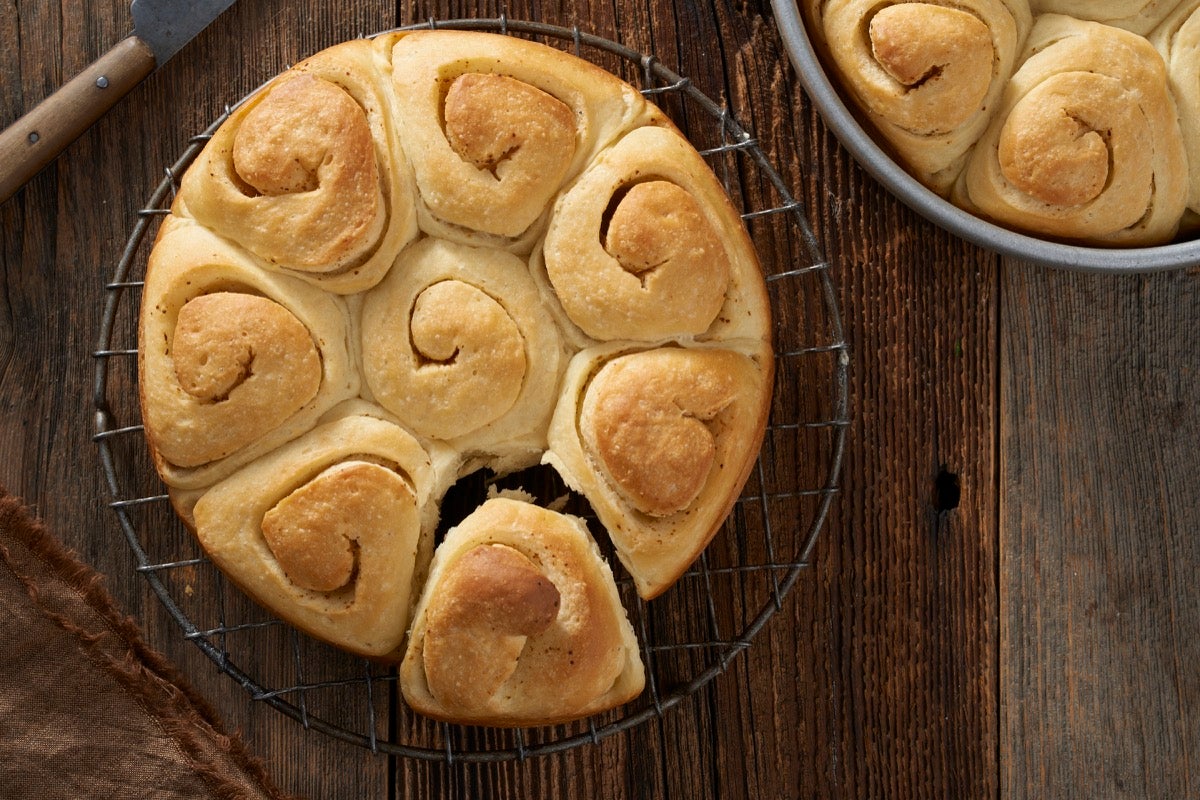
Remove all but 4 ounces starter. Use this “discard” to make pancakes, waffles, cake, pizza, flatbread, or another treat; Buttery Sourdough Buns is one of my favorite “unfed” sourdough recipes. Or, simply give to a friend so they can create their own starter.
Add 4 ounces lukewarm water and 4 ounces flour to the remaining starter. Mix until smooth, and cover.
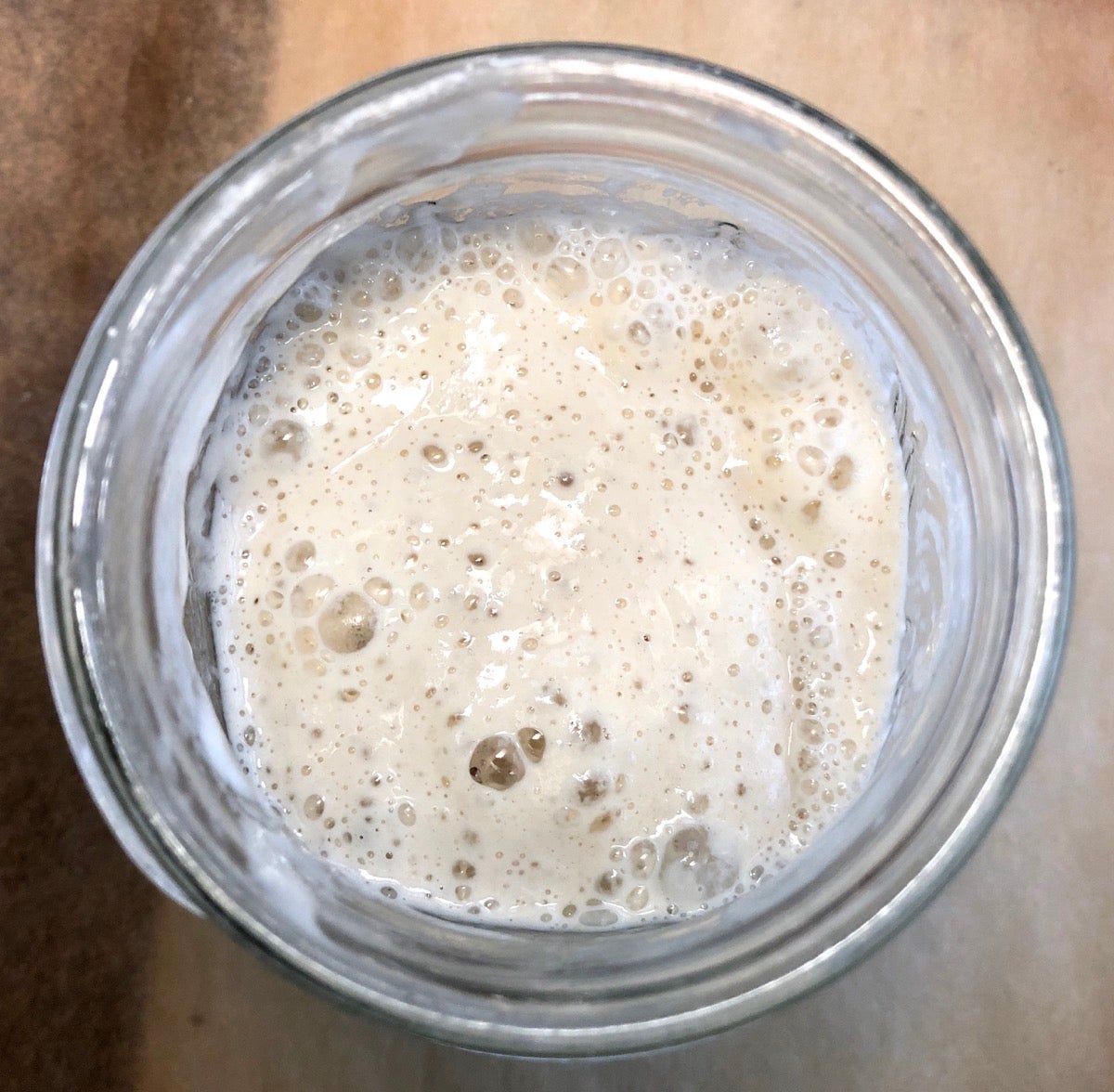
Allow the starter to rest at room temperature (about 70°F) for at least 2 hours; this gives the yeast a chance to warm up and get feeding. After about 2 hours, refrigerate.
Getting ready to bake
If you’ve been maintaining your starter at room temperature, you may want to increase the volume of starter to the amount needed for your recipe. You can do this by feeding your starter without discarding; or by discarding, and feeding it 8 ounces flour and 8 ounces water.
If your starter has been refrigerated, you’ll want to both increase its volume, and raise its activity to a more energetic level. You can do this by giving it a couple of feedings at room temperature.
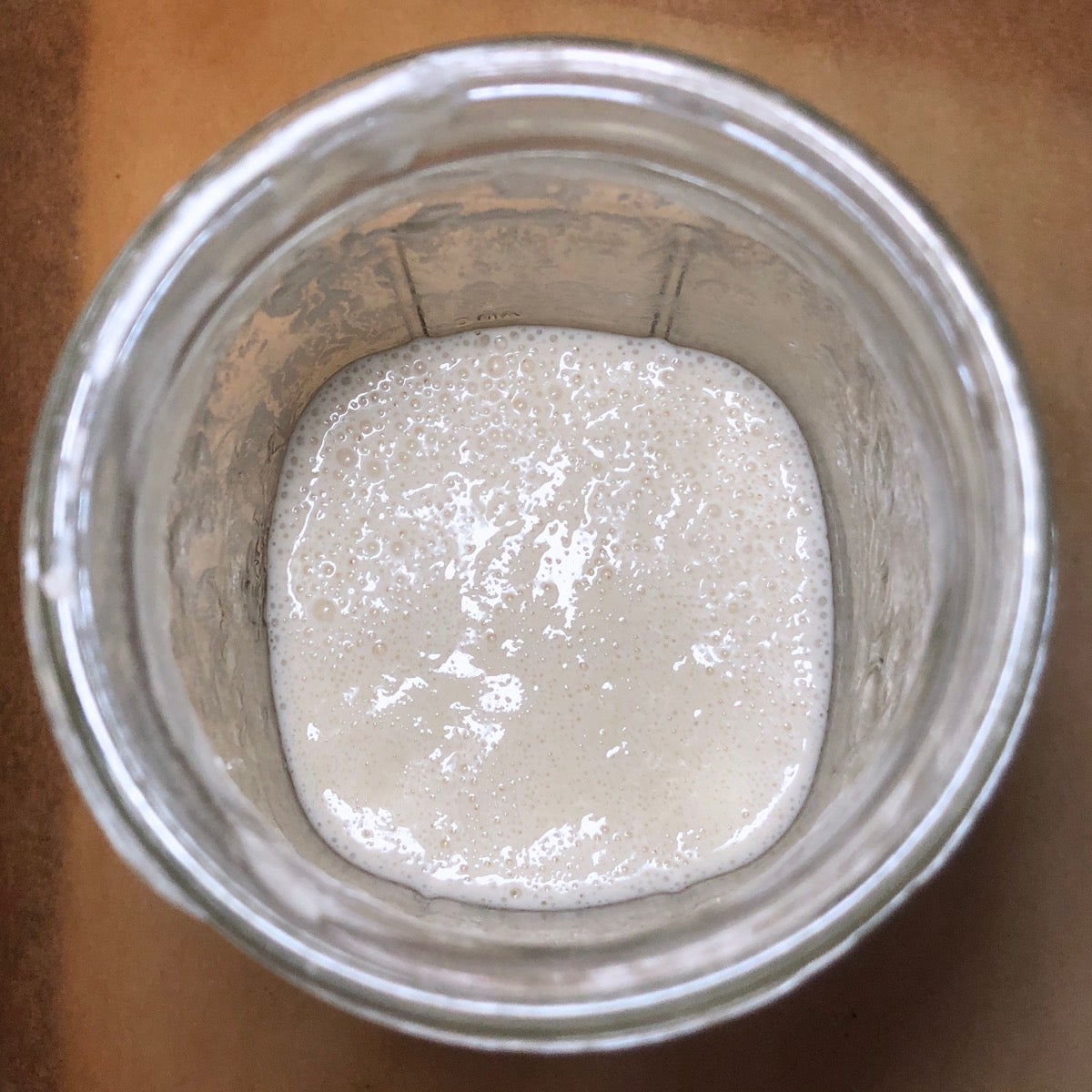
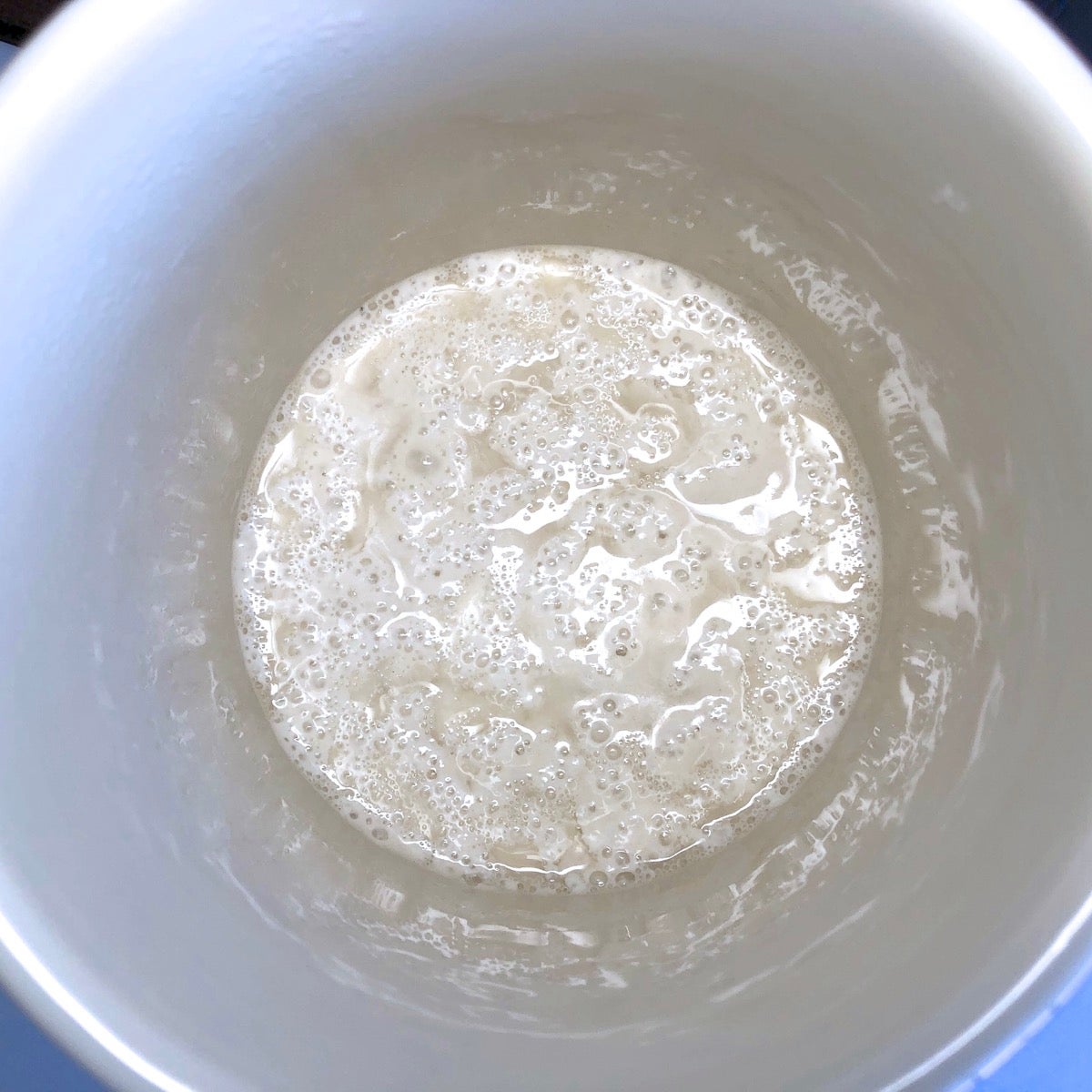
Take the starter out of the fridge, discard all but 4 ounces, and feed it as usual with 4 ounces water and 4 ounces flour. Let it rest at room temperature for about 12 hours, until bubbly. Repeat as necessary, every 12 hours, until you notice the starter doubling or tripling in volume in 6 to 8 hours. That means it’s strong enough to leaven bread.
For the final feeding, make sure you add enough flour and water to use in your recipe, with a little left over to feed and maintain the starter for the next time you bake.
For instance, if your recipe calls for 1 cup (about 8 ounces) starter, add 4 ounces each water and flour. If your recipe calls for 2 cups (about 16 ounces) starter, add 8 ounces each water and flour.
Once the starter is bubbling and vigorous, remove what you’ll need for the recipe and set it aside. Feed the remaining starter with 4 ounces flour and 4 ounces water. Mix until smooth, and allow the starter to work for about 2 hours at room temperature before putting it back in the refrigerator.
Troubleshooting your starter
Living creatures sometimes get sick, be they humans, pets, or even sourdough starter. If you find yourself becoming a sourdough doctor, here are some symptoms and possible cures:
If your starter lacks acidity
Feed with half whole-rye (pumpernickel) flour or whole wheat flour for a few days. The extra nutrition in the bran and germ can increase the starter’s acidity.
Be sure your starter has a chance to ripen (develop) fully before it receives another feeding; before you use it in a recipe, or before refrigerating it. An ideal feeding regimen for a starter kept at room temperature (in the low 70s) is two feedings a day at 12-hour intervals.
Find a slightly warmer (in the mid 70s) area in which to ripen the starter after its feeding.
If your sourdough is too acidic
You may be letting the starter ripen too long before using it. Once your starter is bubbling and vigorous, it’s time to make bread, feed it again, or refrigerate until its next feeding. Don’t let it become bubbly, rise, and then fall and start to “calm down;” that’s adding acidity to its flavor. Reduce the duration of ripening as necessary.
Ripen your starter in a slightly cooler area, so it doesn’t digest its meal of flour and water too quickly.
Reviving a dormant or neglected starter
Sometime you may find yourself with a starter that’s gone far too long without a feeding.

Covered in a clear, dark liquid (alcohol, a by-product of yeast that’s been deprived of oxygen), the starter will lack bubbles or other signs of activity, and will have a very sharp aroma.
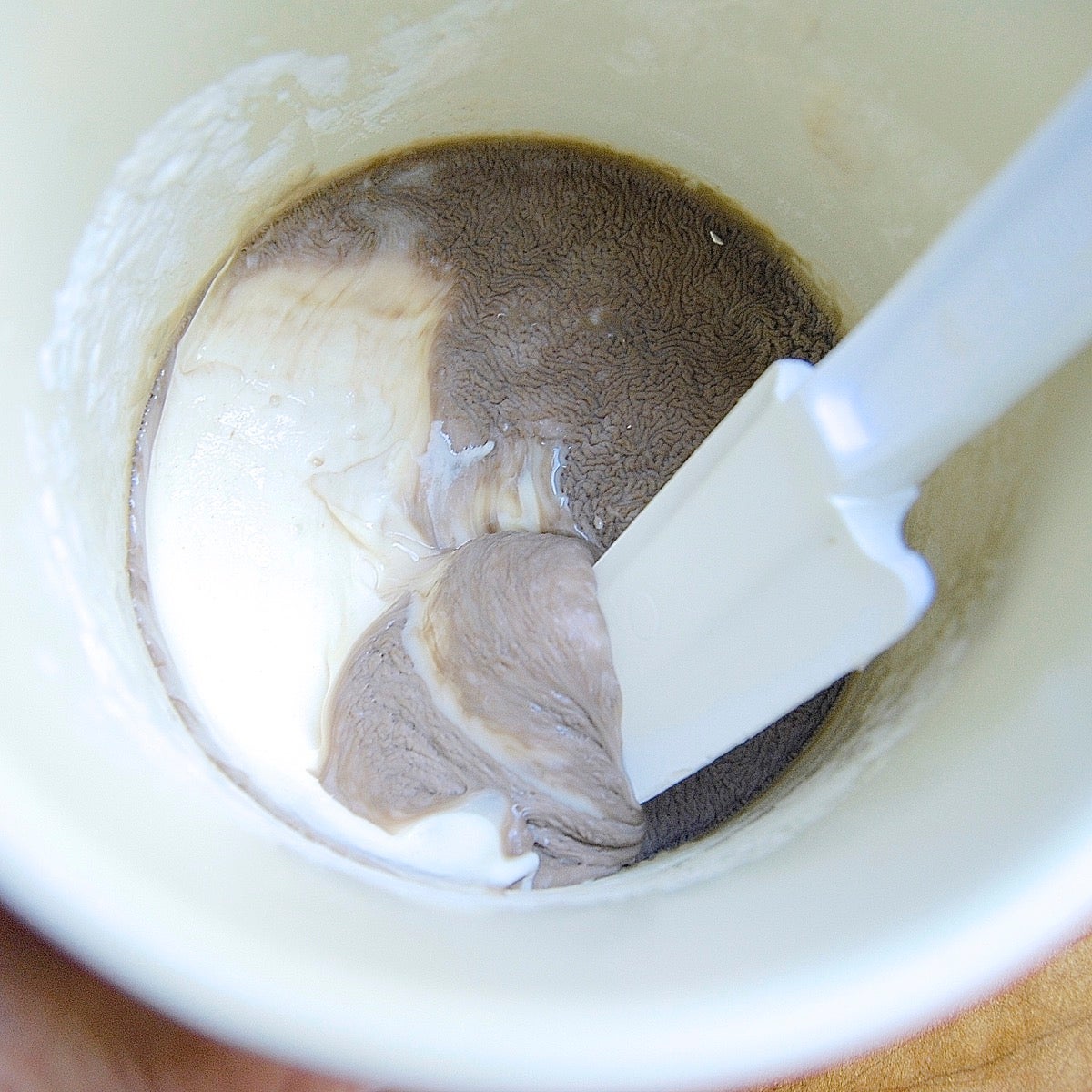
Although the starter appears lifeless, its microflora will spring into action again as soon as they get a few good meals.
Stir the liquid back into the starter. Discard all but 4 ounces, and set the bowl or crock on the counter; you’re going to be leaving it at room temperature (at least 70°F) for awhile.
Feed the starter 4 ounces water and 4 ounce all-purpose flour twice a day, discarding all but 4 ounces of the starter before each feeding. It should soon become healthy, bubbly, and active.
Sourdough starters are hearty, and easily resist spoilage due to their acidic nature. The pH of a sourdough starter discourages the proliferation of harmful microorganisms.
However, if your starter turns ominously pink or red; shows signs of mold growth, or smells decidedly putrid, throw it away and begin again. Luckily, in our experience, this rarely happens.
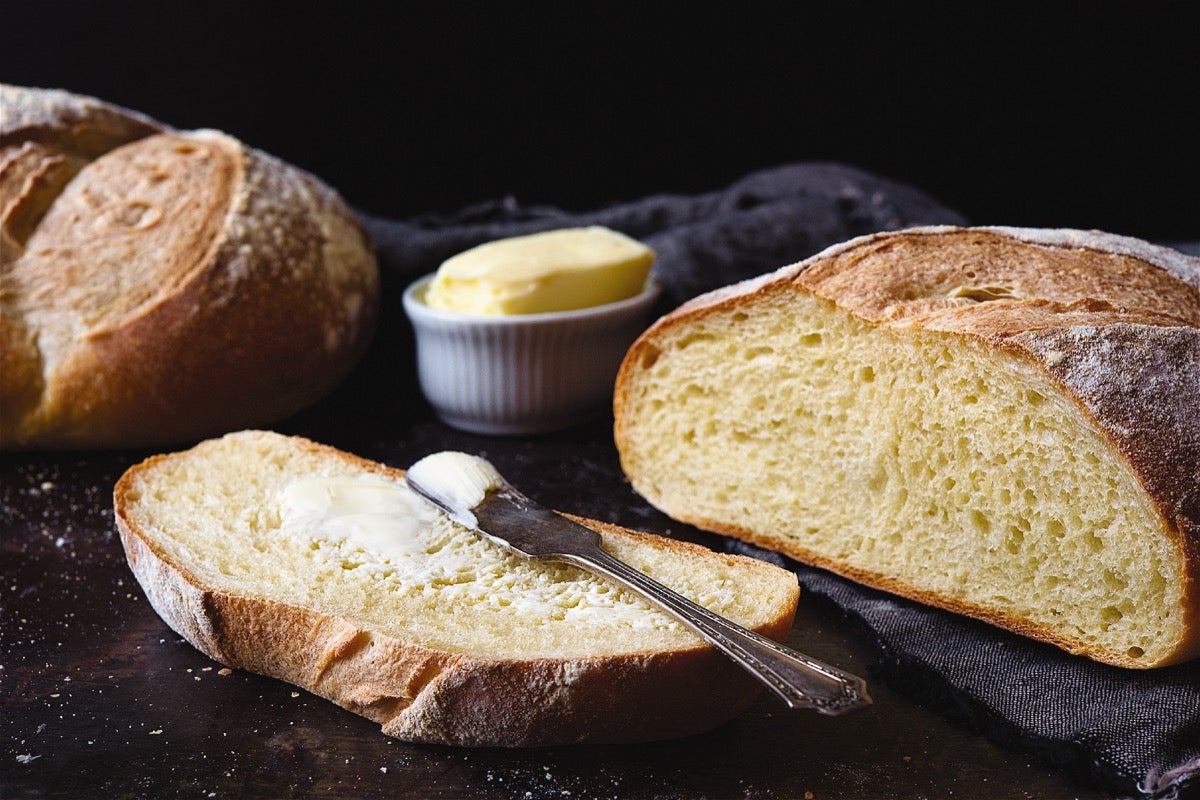
OK, after all of that – how about baking some sourdough bread? Our Rustic Sourdough Bread is a great place to start.
Or for “true” sourdough, without any added yeast, try our Extra-Tangy Sourdough Bread.
Read our post on creating your own sourdough starter.


April 8th, 2012 at 8:27 am
At the point where you are taking it out of the fridge to use in a recipe, and you take a portion of it off and discard, leaving 4 oz. behind – Is there anything wrong with feeding the 4 oz. (following the directions for its weekly maintenance), AND feeding the ‘discard’ (and resting that until it’s bubbling/doubling), for use in the recipe. I always feel like I’m wasting the discard.
Absolutely, Holly – you can feed the “discard” and have two starters going; bake with it; give it to a friend… lots of things you can do with it besides toss it. PJH
April 8th, 2012 at 2:54 pm
What a timely post. I’ve tossed out some starters in the past, thinking they were too far gone–maybe I should have just tried feeding them again.
Are starters using whole-wheat or rye flours more “active”/robust/sturdy than starters based on all-purpose flours? Do higher-protein flour, like bread flour, give a better rise than all-purpose flour? Which would produce a more “tangy” or stronger sourdough flavor?
Thanks!
Julia, it’s good to start your starter with a whole grain flour, as it’s liable to have more helpful lactobacilli and wild yeast than the more “sterile” AP flour. However, Jeff Hamelman, one of our SD experts, says that unless you plan on refrigerating your starter, it’s best to feed it with AP flour – as feeding a sourdough that’s kept at room temperature with whole-grain flour will encourage it to go bad. As for bread flour, there’s no need to feed your starter with bread flour; but for a potentially higher rise, bread flour (with its additional protein/higher gluten content) is a good choice. As to how to make your bread more sour – you can try refrigerating the shaped loaf overnight before baking, as colder temps. encourage the production of acetic acid (think vinegar), which is obviously sour. You could also take the easy way out and add a pinch of sour salt (citric acid). Hope this helps – PJH
April 8th, 2012 at 6:15 pm
The instructions that came with the King Arthur sourdough starter that I ordered about a month ago call for adding twice as much flour as water every time you “feed” the starter (adding a cup of flour and a half-cup of water, to be exact). Is that a mistake? I was very confused but double-checked the instructions against the ones downloadable on this site with the starter. It doesn’t work very well!
Julie, you feed the starter with equal parts flour and water BY WEIGHT – which is 1/2 cup water (4 oz.) and 1 cup flour (4 oz.). Does that help? If not, please call our bakers’ hotline, 802-649-3717 – they can help you sort this out. PJH
April 8th, 2012 at 8:37 pm
Any tips for determining what recipes will work well with an “unfed”, straight-from-the-fridge starter (besides trial and error)? I like to use the ‘discard’ starter for baking on the days I feed mine. I’ve tried some of your recipes and I’m wondering what the difference is between those recipes and the ones using fed starters.
Allison, a fed starter will give yeast-raised baked goods a better rise; more “oomph.” A fed starter will also make somewhat lighter cakes, although there’s less of a difference there. Obviously, it’s necessary to use a good, strong, bubbling starter in recipes where it plays the main leavening role; not so necessary where there are other leaveners present. I’d go ahead and try an unfed starter in any recipe calling for starter EXCEPT for yeast breads without a significant amount of added yeast. Hope this helps – PJH
April 9th, 2012 at 10:46 pm
ok, I have a naive question. I’ve made sourdough bread in the past and have always wanted to have started stored in the fridge for when I need to make a loaf. Here’s my question: Do I cover it in the fridge? It seems as though it would take on smells or give off smells, but I’m also afraid that putting a lid on it will kill the effect of it. What is the best way for storing it in the fridge? Lid on or off?
Don’t worry, Cody – NO question is “naive!” Baking has so many different twists and turns, especially sourdough baking, none of us can know everything… Definitely lid on. The yeast slows way down when it’s cold, and doesn’t need a lot of air. Don’t make the lid of whatever container you use airtight, but definitely use a lid. Good luck – PJH
April 10th, 2012 at 10:50 am
I’ve left my starter for far too long before, and I find that pouring off the dark liquid yields far better results than stirring it in. I killed it once by stirring it in, and had to get a new sample from my mom to start over. Since then, I’ve left it in the fridge for months and do fine just by pouring off the dark liquid, and then giving it a feeding.
Thanks for sharing your experience here, Daria – good to know what works for each of us, so that others can give it a try. PJH
April 12th, 2012 at 7:55 pm
I am a big fan of sourdough baking, and use my KAF refrigerated starter weekly. My favorite recipe is from the 200 Anniversary Cookbook – love that you take the starter right from the fridge to make a ‘sponge’ with – and the added flexibility of starting it the night before and finishing it after work the next day. I have used that base recipe to make pizza dough, stuffed sandwiches (roast beef, goat cheese and bbq sauce – yum!), wrap around hot dog pretzel style for the kids, and of course, a lovely big rustic loaf. That recipe makes nice shaped loaves too – i.e. bunnies for Easter. If you have been thinking of making the leap to sourdough, go for it – it is very fun to bake with!
Wraparound pretzels for hotdogs – I’m on it. How about brats? (I mean the ‘dogs, not the kids!) Thanks for the inspiration, Sara – sourdough rocks! PJH
April 13th, 2012 at 10:58 am
I am sad to report that my starter is shoved in the back of the fridge in a giant peanut butter jar looking very black indeed. I really need to clean it out, but I know it’s going to be an icky task. When my son was born prematurely last year and spent 72 days in the NICU, time to manage my starter just disappeared. I’ll have to start again when he’s a bit older. Up until then I was having great fun trying out all the sourdough recipes in the whole wheat baking book (well, I hadn’t gotten to ALL of them).
We’ll be here for you when you are ready to join the sourdough fold again – until then, Happy Baking! Irene @ KAF
April 13th, 2012 at 8:13 pm
Other than keeping your starter from taking over your fridge or kitchen counter or wherever you store it, why discard some of it before feeding it? Is it a matter of balance between the amount of starter and the amount of “food” it gets? Can a person take the starter they have been storing (I keep mine in the fridge), feed it and let it stand overnight, and then use most of the resulting sponge in a recipe as “fed” starter, then feed the remainder and put it back in the fridge after it stands for a few hours? It’s a little backwards from what you recommend, but it seems as if it would reduce the amount of starter that’s “wasted” by discarding it. I admit to trying it this way, after doing it the way you describe, and thought my results were still about the same either way.
Also, can starter be frozen if a person anticipates not being able to use it for an extended period of time?
I had some homemade starter many years ago, but got too busy with kids and ended up discarding it. I bought some of your starter a couple of months ago, and have been trying to use it at least once/week. I love the flavor (it’s better than my former starter) and have been enjoying trying your (and other) recipes. Love your site, your catalog and your blogs. Thanks for all you do for all of us home bakers.
Yes, you discard some of the starter to maintain the pH balance of the whole; and to give the remaining yeast more of a chance at the food and water you’ve just added. And, as you say, there’s no need to discard the starter, if you can find something else to do with it: give to a friend or substitute it for flour/water in another recipe. Also, yes, you can do just as you recommend: feed, use most of it, feed the rest and refrigerate. In fact, that’s how I usually do it myself; the method in this post is simply another technique. All good. Freeze? Sure. Works well, so long as your freezer doesn’t drop below 0°F, which is yeast’s dying point. Best not to keep it frozen too long, though; the longer it’s frozen, the less vigorous it’ll be when it wakes up. Probably best not to freeze longer than a month. Thanks for connecting here – always a pleasure, “talking” to our fellow bakers. PJH
May 9th, 2012 at 7:29 pm
In reading these posts, I am understanding that when I take my started out of the fridge, I should discard all but 4oz. Is that a cup? I understood from the directions that came with my starter to discard a cup and fed the rest. Is this discard what can be given to a friend and when do they feed it or use it?
Pat, 4 ounces is about half a cup; let’s call it a generous half-cup. The discard can be given to a friend; they should start feeding it as soon as they get it, and feed it on a regular schedule. The discard can also be used in a number of recipes (search our recipe site using the keyword “unfed”), including the best sourdough waffles/pancakes you’ll ever taste… Enjoy – PJH
July 9th, 2012 at 10:16 pm
Anyone have a really good sourdough pancake recipe?
Many bakers use our Classic Sourdough Waffles or Pancakes to use their discard starter or to make a tasty breakfast treat. Happy Baking! Irene @ KAF
September 13th, 2012 at 10:18 pm
Part of the difficulty of knowing what to do with your starter seems to be what it’s intended for: I’ve got a freezer full of bread already, so I moved on to making Ethiopian flatbread (injera). This calls for self rising flour & some addition of exotics like teff flour, or even masa harina, and a bit of yeast, but it also calls for three solid days of fermentation, after which the dark liquid is poured off, and the resulting mixture is thinned with water & good to go.
So many recipes, so little time…
The last batch I made was very small, so I have a lot of ‘starter’ left. I’ve fed it a couple of times and it’s still looking fine. Question is, would this continue to be my ‘injera’ or could I just incorporate it into whatever I’m in the mood to make…this is not an easy decision
I’d say you could continue using this starter in your regular baking. If this particular starter contains the various ingredients that you listed and you would like to return to a more basic mixture, you could just continue feeding it with an all purpose flour to phase out the other ingredients. I hope this is helpful. ~Amy
October 17th, 2012 at 10:49 am
Thank you. Excellent information. It answers a lot of questions I have about how to maintain a starter in the refrigeration.
October 17th, 2012 at 8:01 pm
I’ve got a starter going, though I didn’t have any rye flour to start it with and used bread flour (I do have whole wheat, though… would that work?). It’s day 4, but so far, it just smells like beer. I don’t get any kind of sour aroma from it. Is it that it simply needs to be refrigerated to produce more acetic acid?
I think you are right on track as long as the starter is the right consistency (thick pancake or waffle batter) and bubbly. Yes, whole wheat flour is a great flour to use in the beginning and to feed with every now and again. ~Amy
October 28th, 2012 at 1:04 pm
I’ve been using my starter since August and I love it. My only problem is, I feel like I have too little. When I go to remove a cup’s worth to feed it, I always end up doing a scant cup just so there’s a little starter left over to work with. Even when I remove a scant cup, there’s maybe a tablespoon or so left of starter. Is that how little there should be left? How do I bulk it up a little?
Isn’t it remarkable that just that little amount of starter is enough to get the next addition of flour and water all revved up to bake? If you’ve been maintaining your starter at room temperature, you may want to increase the volume of starter to the amount needed for your recipe. You can do this by feeding your starter without discarding; or by discarding, and feeding it 8 ounces flour and 8 ounces water.
If your starter has been refrigerated, you’ll want to both increase its volume, and raise its activity to a more energetic level. You can do this by giving it a couple of feedings at room temperature. Call us if you need more tips at 800-827-6836 and ask to speak with a baker. Happy Sourdough Baking! Irene @ KAF
November 4th, 2012 at 4:46 pm
where can i find the printable version of these maintaining instructions. i gave my copy from years ago away and now i can’t seem to locate one that is printer friendly with less pictures! thanks
Hi Wendy,
If you send an email to bakers@kingarthurflour.com, and ask them to send you the sourdough insert, they can attach it right to your response and you can print it from home, plus save it on your computer. Happy baking! ~ MaryJane
November 18th, 2012 at 2:35 pm
Hi KAF:
My starter never looks like your pictures. I discard and feed once a week and keep it in the KAF crock in the refrigerator. My starter always has the consistency of marshmallow creme and I never see any liquid. What am I doing wrong?
It is possible your starter might need a kick start to get it going as it might not be ripening completely between feedings. I would take four ounces out and leave it at room temperature (70F) for a day or two, feeding it every 12 hours. You should start to see increased activity by the end of the 24 hours. If not, keep it out another 24 hours, feeding again every 12 hours. It might also need a little nutrition kickstart: try subbing in half rye or whole wheat flour in the first feeding. Let us know how it goes! ~Kim@KAF
November 18th, 2012 at 9:12 pm
I purchased KA starter a couple of weeks ago and have a question. When you show pictures of your starter online it looks like it is a consistency where you can almost pour it, but when I add 1/2 cup water and 1 cup flour I get a very thick batter, almost a dough. Is that correct? Should I add a little more water? I live in Arizona so I don’t know if our lack of humidity contributes to this? What should the consistency be? Also, I keep my starter in the fridge in a crock. Is it possible to take out unfed starter too often (even if I feed the refrigerated starter when I take out the unfed)? Your starter should be a very thick batter after adding the flour and water. You could increase the water by 1 tbs if you are very worried, but it should be ok as is. The starter will release some liquid as it sits in the fridge. If you are worried your starter is lacking “gusto”, leave it out at room temperature (about 70F), covered in your crock, for 2-3 days, feeding it every 12 hours but making sure to see some bubbling before you feed it. It might need to go 13-15 hours between feedings if you don’t see activity. Once it gets going, you should be able to store it back in your fridge, feeding it once a week. -Kim@KAF
December 21st, 2012 at 1:09 pm
I made a sourdough starter using KA Whole Wheat and fed using bread yeast (I do not have any AP flour). It was doubling in about 3 hours by day 4 but it didn’t smell very sour at all (more like bread!). When I tasted it, it was definately tangy. Should I warm the start back up and keep feeding it at room temp to increase the sourness or just leave it in the fridge and feed it once a week. When I feed it, should I use Wheat or the bread flour I have on hand? Thanks!
Hi Jeremy,
To bump up the sour, try keeping it at room temperature and feed it with whole wheat flour once a day. Rye flour is also great for bumping up the sour. ~ MaryJane
December 28th, 2012 at 8:28 pm
great info here, thanks. however, i’ve been struggling with a starter that, from what i’ve read on peter reinhart’s blog posted some years ago, may be going “dormant” after several days of doubling in volume. even when starting with orange/pineapple juice i experienced three good days of feeding every 12 hours then less and less activity until it becomes an inactive soup. fearing leuconostoc, i waited and stirred (no feeding) for 5 days until i saw yeasty bubbling (very fine bubbles and clumping) – i thought it may have come to life with good yeast. i let it go another 24 hours, then after one feeding (150g starter to 250g each water & flour) it went “dormant” again, very little activity, no gluten (very soupy). it smells of sour apple and breadiness, there is some warmth and humidity in the tub when i remove the lid, so there’s life, but just not much. can you help?
Please call our baker’s hotline, 802-649-3717. Sourdough can be complicated, and a dialogue will be much more useful to you than my trying to formulate a one-sided answer here, OK? Good luck – PJH
January 14th, 2013 at 10:40 pm
Wow, what a difference the heating pad made! My starter was chugging along but not as vigorous as I had seen others at this stage of day three. Tonight I pulled out the heating pad and within an hour – bubbles! We’re having a cold spell here in Los Angeles and my kitchen gets down to 62-64 at night. I cannot wait for Friday when I can get busy making the sponge! Watch out family… There’s a baker in the fold.
January 16th, 2013 at 5:40 pm
Thank you for the great information & recipes on sourdough. I have just started in this adventure. My question of the day: I take my starter out of the fridge (has been there for 5 days) to re-activate prior to baking. Your instructions above say to give it a couple of feedings 12 hours apart. When feeding to re-activate prior to baking – do I toss out half of the starter with each feeding? I have done 2 feedings, 12 hours apart, (without splitting off any) and my starter has filled an eight cup bowl! Thanks for the help! PS. We LOVE the sourdough pop over recipe!
You would need to remove about half of the starter with each feeding to prevent having too much starter as well as keeping a good pH level for the yeast!-Jon
January 26th, 2013 at 2:51 pm
I have been working on a fridge kept starter for a 2 months now. I Really want to make some bread but I keep forgetting to feed it up for baking. Normally I feed my starter on Saturday mornings, leave it out for 3 hours and fridge it for the rest of the week. Now, I fed my starter this morning and left it on the counter, it doubled in 6 hours. Is this a good activity level? Can I use this as is and start a batch this evening, or do I need to feed it again before I can use it? How about “spiking” the recipe? I am looking at KAF’s Rustic Sourdough recipe, it adds yeast. Would that be considered spiking?
I’d say 6 hours is a bit long for having the starter double. Try giving it another feeding before using, and that should make it nice and happy for baking. If you do use it now, definitely add the extra yeast that the recipe calls for to get the best results. ~ MaryJane
January 29th, 2013 at 5:15 pm
I’ve been making bread once a week. I’ll take my starter out of the fridge, add half a cup of flour and some water and mix it up. Then I’ll wait 20 minutes to half an hour before using with instant yeast on my bread recipes. What are the drawbacks to using my starter this way?
It sounds as though you aren’t discarding or refreshing your starter properly. When you take it out of the fridge for use, you should do this way ahead of time, remove about half, then feed, then allow to come to room temperature and activate. This can take a few hours. ~Amy
January 30th, 2013 at 12:49 am
Hi- I started feeding my new starter last week and I misunderstood about discarding some of the starter with each feeding. (I thought it was just a space in the jar issue, didn’t realize it would affect the ph balance). So after a couple days of this, have I really messed it up or is it more forgiving than that? It is bubbling by the next feeding still so I’m hoping it’s ok…? Thanks so much!!
Starters can be very resilient. The more you feed/discard/feed/discard, the closer your starter will be to a balanced pH. Best, Kim@KAF
February 3rd, 2013 at 5:43 pm
Hi! I just got my starter on Friday and got it fed and all and used it to make bagels on Saturday evening. When I was keeping it on the counter initially it seemed to be getting thicker and thicker with each feeding but still bubbling some (not as much as in your pictures above). We tend to keep our house kind of cool during the day (low to mid-60′s). Is that part of the problem? I saw someone reference using a heating pad? I am keeping the starter in the fridge going forward, just concerned I did something wrong at this point.
Don’t worry about it – it sounds like you might be giving it a bit too much flour with each feeding. Do you weigh the flour? If not, make sure you’re measuring using the sprinkle and sweep method. And yes, it’ll definitely be slowed down by mid to low 60s ambient temperature. That’s what my house is like (or even colder), so I put a heating pad on the lowest setting, wrapped it in a towel, and set the starter on top; it helped a lot. Good luck – PJH
February 11th, 2013 at 8:47 pm
I keep my starter in the fridge. here is the difference though—-I don’t feed it before I use it but feed the rest of it. I use both the rustic sourdough recipe snd the extra sourdough recipe and I always end up with delicious loves of bread. My question is why feed it first if my bread turns out great when I don’t do it.
If your recipes include both fed starter and yeast, then the yeast is also providing the rise for the bread. Using fed starter will help get more rise from the dough and bread, and is the only leavening agent in recipes that don’t use additional yeast like the extra tangy sourdough bread. Irene @ KAF
February 13th, 2013 at 12:30 pm
i am planning on begining a starter soon, was looking for just the right crock. i really dont like the tangy flavor of sourdough, but i want to use a starter to bake with instead of store bought yeast. youve had a few questions on how to make bread tangier, but how do you make it less tangy?
Wendy, let the dough rise in a warmer place for a shorter amount of time; that’ll help keep the bread from becoming too tangy. Good luck – PJH
February 25th, 2013 at 7:44 pm
Twice in recent history I’ve attempted to make starter. I’m using a small glass crock with a towel to cover it. Keep it on top my refrigerator. Both time my starter became moldy after about day 4 or 5. What am I doing wrong?
Good for you for trying to make your own starter, Bob. If you are keeping it at room temperature, you will need to keep a more rigorous feeding schedule of every day or at least every other day. If there was a pinkish/reddish color developing, yes that is mold, discard, try again. If you see a little blackish liquid floating around on top, no problem. This is just the alcohol being produced when the wild yeast is not in contact with the air. Just stir it back in for a stronger sour flavor or pour it off for a more mild flavor! Keep trying! Elisabeth
March 2nd, 2013 at 9:02 pm
Can I leave my starter after the 7 days on the counter and then feed once a day to keep it going? A friend of mine had what she called a sourdough starter but she fed hers mashed potato flakes and sugar, what is the difference between these and which is best for a full sourdough bread flavor(think Jack n the box’s sourdough).
Yes, Nicole, you can leave your starter on the counter and feed it daily. Just be sure to feed it with all-purpose flour, no whole grains; whole grains could cause it to go bad. The potato flake/sugar school of sourdough feeding is another way of approaching it; I remember trying it WAY long ago, but can’t comment on results. You might want to start another starter and try your friend’s method, so you could see for yourself what the difference is. I’m not familiar with Jack in the Box, but if you’re looking for a more sour bread, try refrigerating the shaped dough over night before baking. the sourness in your bread will come mostly from the way the dough is handled, rather than form the starter itself. For more information, call our baker’s hotline: 800-827[6836. PJH
March 4th, 2013 at 3:09 pm
I started my first sourdough starter 7 days ago. My starter has lots of bubbles
and a nice sour smell, but it is not rising it has not doubled in volume. I have followed the instructions very carfully. I’m doing something wrong but not sure what. I would love some troubleshooting ideas.
The good news is that the starter is alive and kickin’ . If it is too thick, it will have a harder time rising. Try adding 2-4 more tablespoons of water to it to thin it down a bit. If you still have questions, give the hotline a call, they can get you right on track. ~ MaryJane
March 12th, 2013 at 1:42 pm
I was recently given a 20-yr-old starter. However, it is a “potato flake starter.” The instructions my neighbor gave me with the starter say to feed it potato flakes, sugar, and warm water. Do you know if I can start feeding the starter AP flour and warm water instead as is done with traditional sourdough starters? Or do I need to start over from scratch and create my own starter using wheat flour?
Whichever starter you have, you’ll want to follow the directions (and ingredients) given with it for maintenance and therefore best activity. We do have recipes for starters on our website. Happy Sourdough Baking! Irene@KAF
If you don’t mind experimenting and possibly losing your neighbor’s gift, try feeding it with flour and water; I have a feeling it’ll work, though no guarantees… PJH
April 1st, 2013 at 10:55 am
I received some SD starter from a friend and when fed it, I didn’t discard anything first…have I ruined it?? It’s my first time using SD starter and I feel a little confused! Ack!
I fed it this morning – she told me 1 cup lukewarm water and 1 cup AP flour. And it’s been sitting on the counter all morning in a mason jar with a loose fitting lid…Is it going to be okay?
Help please!!
Yes, it is fine that you did not discard any before feeding, Lisa. I am sure she did not give you a whole lot to begin with so discarding would not have made a whole lot of sense. In fact, often, if one wants to increase the starter quantity, skipping a discard before feeding is commonly done. When you feed your starter, please feed it with 1 c. of all purpose flour and 1/2 c. of water (not 1 c.). You may use bottled water or if you are on town water, draw the water the night before and allow to sit overnight uncovered so the chlorine can escape. Here are our sourdough tips found on our site. If you need further assistance, please contact our Bakers’ Hotline, 1-855-371-2253. Enjoy! Elisabeth
April 1st, 2013 at 11:33 am
I received some SD starter from a friend and when fed it, I didn’t discard anything first…have I ruined it?? It’s my first time using SD starter and I feel a little confused! Ack!
I fed it this morning – she told me 1 cup lukewarm water and 1 cup AP flour. And it’s been sitting on the counter all morning in a mason jar with a loose fitting lid…Is it going to be okay?
Help please!!
Sorry for the delay in answering, Lisa, but yes, it should be just fine. I trust by now it’s happily starting to bubble… Please contact our toll-free bakers’ hotline if you have any questions at all – we’re here to help. 855-371-BAKE (2253) PJH